
Upgrading Your Office Space
Since the pandemic began in early 2020, workers have seen their definition of “office space” change several times. From working remotely full time to shifting to a hybrid scenario to going back to a physical office, many employers have decided to continue giving their employees options about where and how they work. Office Gallery provides expert planning and workstation furniture solutions.
Post Summary
Key trends include hybrid workspaces with flexible seating, employee wellness features like natural light and plants, AI-assisted technology integration, and the workresort concept that combines office functionality with home comfort and hotel-like amenities.
Create hybrid offices by adjusting assigned-to-shared seating ratios, adding collaborative amenities, implementing data-driven design based on employee input, and ensuring technology supports both in-person and remote work experiences.
A workresort blends home comfort, office functionality, and hotel amenities, featuring lounges, balconies, activity rooms, concierge services, and various spaces designed to support productivity while creating an appealing work environment.
Employee wellness features like natural light, houseplants, fresh air access, and ergonomic furniture create a 'home away from home' atmosphere that boosts morale, productivity, and employee retention while supporting physical and mental health.
Companies should use data-driven approaches, collaborate directly with employees on design decisions, balance organizational goals with employee needs, prioritize flexibility for future adaptability, and integrate current technology including AI-assisted solutions.
Even with all these options, the physical office is far from dead. Office occupancy has been steadily increasing since the initial lockdowns of early 2020. To reflect this evolving culture, companies are adjusting to reflect the current needs of their employees.
What are the current trends for office interior design and space planning? Keep reading for four tips to help you create a physical office space employees will enjoy returning to day after day.
Creating a Custom Office Space
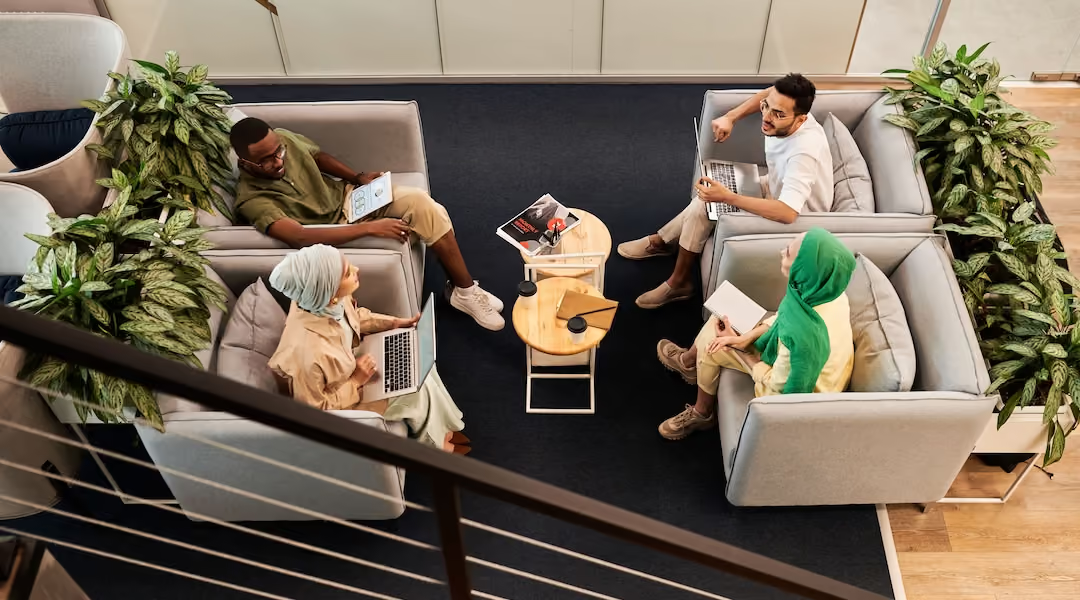
Current design trends are focused on custom office spaces created with a specific employee in mind. The key is to find a balance between the needs of the company versus the needs of the employees. Adding tasteful furniture, houseplants and natural light can appeal to employees and help them feel like the office is their home away from home.
Reflecting an Evolving Culture
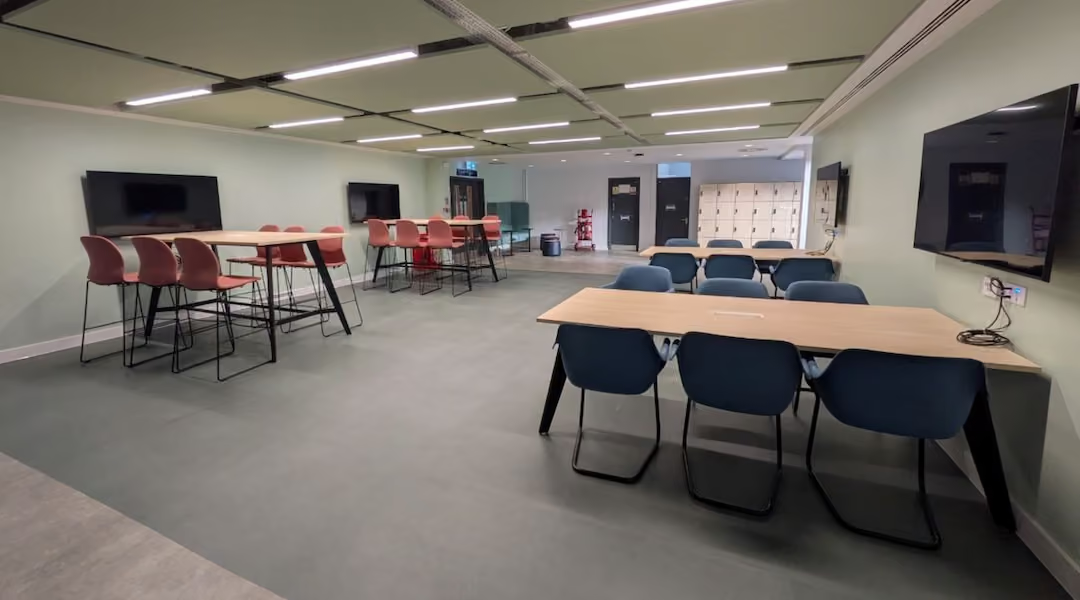
Because company goals and objectives should reflect an evolving culture, many companies are adjusting their workspaces to increase flexibility and productivity by revising their ratios of assigned-to-shared seating, adding new amenities and creating hybrid work environments. Ensuring the most up-to-date technology is offered alongside in-person activities will enhance employee satisfaction, and providing access to fresh air and sunlight will contribute to overall employee wellness, leading to greater efficiency and productivity.
Incorporation of AI-assisted Designs
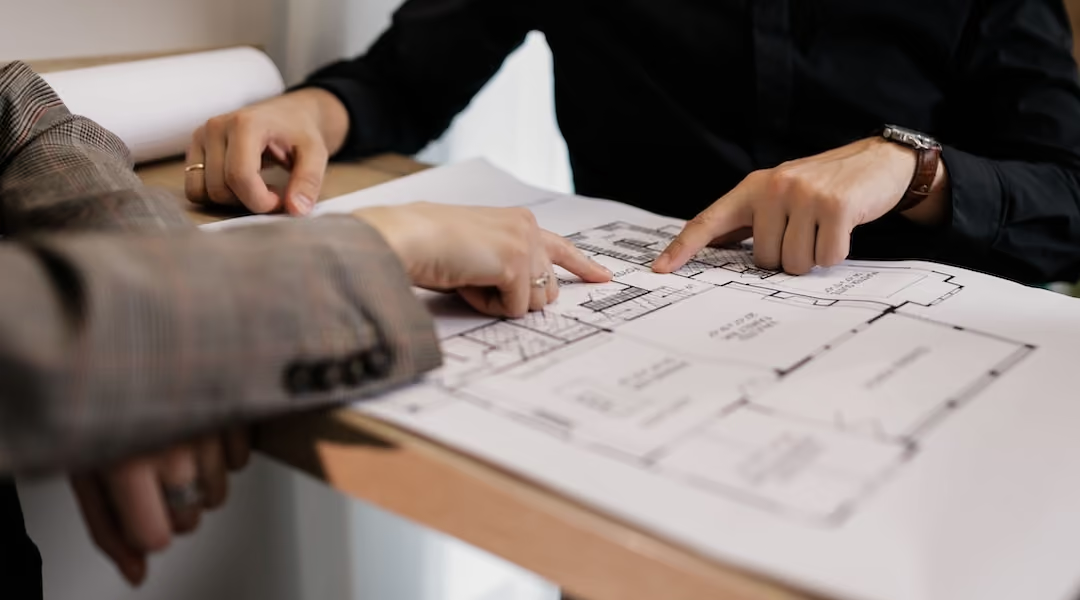
AI-assisted technology can provide an opportunity to create spaces that maximize workplace efficiency and productivity. This technology can bridge the gap between your imagination and reality when it comes to design. New office layouts and hybrid workplace designs will be data-driven. With the data at hand, the design team can strategize with the employees who will use these spaces to create an environment that appeals to everyone.
Concept of a “Workresort”
The “workresort” combines all the best aspects of home and the office, creating an efficient and productive office environment that encourages employees to strive for personal career fulfillment while meeting the objectives of the company. Combining the design, aesthetic, comfort and customer service of a hotel with the facilities of an office, a “workresort” offers a variety of options, from a concierge who directs employees to the best spaces for productivity to rooms for brainstorming sessions and quiet time, lounges and balconies for impromptu exchanges and activity spaces for physical activities.
At Office Gallery, we offer office space planning and redesigning services to help you upgrade your office space. As a workstation furniture supplier, we can ensure your office meets the current trends to appeal to employees and company leaders alike.
Contact us today for a consultation.
Key Points
How do you implement hybrid workspace design that maximizes both in-person and remote employee satisfaction?
- Flexible seating arrangements: Adjust the ratio of assigned to shared seating based on actual office occupancy patterns and employee preferences.
- Technology integration: Install AI-assisted solutions and cutting-edge technology that seamlessly supports both in-person collaboration and remote work connectivity.
- Collaborative amenities: Add hybrid meeting spaces, brainstorming rooms, and shared lounges that facilitate both virtual and face-to-face interactions.
- Data-driven optimization: Use workplace analytics and employee feedback to continuously refine space allocation and amenity placement.
- Adaptable infrastructure: Design spaces that can be easily reconfigured as work patterns evolve and company needs change.
- Employee involvement: Collaborate directly with staff during the design process to ensure spaces meet diverse working styles and preferences.
What wellness features should modern offices include to create a 'home away from home' environment?
- Natural light optimization: Maximize access to sunlight through strategic window placement and open floor plans that reduce eye strain and boost mood.
- Biophilic design elements: Incorporate houseplants, living walls, and natural materials to improve air quality and create a calming atmosphere.
- Fresh air circulation: Ensure proper ventilation systems and access to outdoor spaces like balconies or terraces for mental health benefits.
- Ergonomic furniture: Invest in tasteful, comfortable seating and adjustable workstations that support physical health and productivity.
- Quiet zones and activity spaces: Provide varied environments including meditation rooms, nap pods, and recreational areas for stress relief.
- Wellness amenities: Add features like fitness areas, healthy food options, and spaces for relaxation to support overall employee well-being.
What is the workresort concept and how can companies successfully implement this office model?
- Hospitality-inspired amenities: Include concierge services, high-end lounges, and hotel-like features that elevate the employee experience.
- Diverse space types: Create a variety of environments including balconies, activity rooms, brainstorming spaces, and quiet work areas for different tasks.
- Home comfort integration: Blend residential design elements with professional functionality to create spaces that feel welcoming and familiar.
- Premium service offerings: Provide on-site services like dry cleaning pickup, meal delivery coordination, and personal assistance to reduce employee stress.
- Social and recreational spaces: Design areas for team building, casual meetings, and social interaction that foster company culture and collaboration.
- Holistic experience design: Focus on creating an environment that supports both productivity and well-being through thoughtful space planning and amenity selection.
How should companies use data-driven approaches to optimize their office space upgrades?
- Occupancy analytics: Track space utilization patterns to understand which areas are overused, underused, or need reconfiguration.
- Employee surveys and feedback: Regularly collect input on workspace preferences, pain points, and suggestions for improvement.
- Performance metrics: Monitor productivity, collaboration frequency, and employee satisfaction before and after space modifications.
- Technology usage data: Analyze how employees interact with office technology and meeting spaces to optimize equipment placement and functionality.
- Collaboration patterns: Study how teams work together to design spaces that facilitate natural workflow and communication.
- Continuous improvement: Establish ongoing data collection and analysis processes to adapt spaces as employee needs evolve and business requirements change.
What role does technology play in successful 2023 office space upgrades?
- AI-assisted optimization: Implement artificial intelligence solutions for space management, climate control, and resource allocation to enhance efficiency.
- Hybrid meeting technology: Install advanced video conferencing systems, interactive displays, and collaboration tools that seamlessly connect remote and in-office workers.
- Smart building features: Use IoT sensors for lighting control, occupancy tracking, and environmental monitoring to create responsive, energy-efficient spaces.
- Mobile integration: Provide apps for desk booking, room reservation, and facility requests that give employees control over their workspace experience.
- Security and access: Implement modern access control systems and security technology that protect the workspace while maintaining ease of use.
- Future-proofing infrastructure: Invest in scalable technology platforms that can adapt to emerging tools and changing work patterns without major overhauls.
How can Office Gallery help organizations successfully navigate their 2023 office space transformations?
- Expert space planning: Provide professional design consultation that balances company objectives with employee needs for optimal workspace functionality.
- Trend-aligned furniture solutions: Supply workstation furniture and office equipment that reflects current design trends and supports modern work styles.
- Custom design collaboration: Work directly with organizations to create appealing environments that align with both leadership goals and staff preferences.
- Comprehensive project management: Guide clients through the entire upgrade process from initial planning to final implementation and beyond.
- Employee-centric approach: Focus on creating spaces that attract and retain talent while supporting productivity and business success.
- Ongoing support: Provide continued consultation and adjustment services to ensure office spaces remain effective as needs evolve and grow.