
The Ultimate Ergonomic Office Chair Buying Guide
Not all office chairs are created equal. Whether you need a premium multi-size task chair with zoned suspension mesh, a self-adjusting model that responds to your body automatically, or a budget-friendly option with synchro-tilt technology, this guide breaks down every category — and the key features that separate a chair you'll tolerate from one that transforms your workday.
Post Summary
A truly ergonomic chair is engineered around the human body — designed to support the spine's natural curve, reduce pressure points, and adapt to a range of postures. The four key evaluation criteria are adjustability, materials, warranty coverage, and overall value for your budget tier.
Adjustable seat height (feet flat, knees at 90°), lumbar support (maintaining the spine's natural inward curve), and even weight distribution across the seat surface. These three features work together to reduce fatigue, protect posture, and make full workdays significantly more comfortable.
Choose self-adjusting if you want effortless, no-setup support — ideal for shared workstations or users who don't want to configure settings. Choose manual controls if you want precise, fine-tuned adjustments for seat height, recline angle, and lumbar depth. Both deliver strong ergonomic support when properly fitted.
A self-adjusting chair uses a weight-sensitive recline mechanism that automatically adapts tension and support based on your body weight and movement — no levers or knobs required. It responds naturally as you shift positions, making it especially well-suited to dynamic or multi-user work environments.
Yes. Premium task chairs are available in multiple frame sizes — typically small, medium, and large — to accommodate users from around 4′10″ up to 6′6″ and weights up to 350 lbs. Choosing the right frame size for your body is one of the most impactful ergonomic decisions you can make.
Looking for the best ergonomic office chair? With so many options on the market, it can be overwhelming to know where to start. This guide breaks down everything you need to know - from adjustability and materials to price tiers and warranty considerations - so you can find the perfect chair for your workspace, your body, and your budget.
Investing in the right ergonomic chair can reduce back pain, improve posture, and boost productivity. Here's what to look for.
What Makes a Chair Truly Ergonomic?
Not all office chairs are created equal. A genuinely ergonomic chair is engineered around the human body - designed to support your spine's natural curve, reduce pressure points, and accommodate a range of postures throughout the workday. The best ergonomic chairs are evaluated on four key criteria:
- Adjustability: Can the chair adapt to your specific body dimensions?
- Materials: Do the materials support comfort, breathability, and durability?
- Warranty: Does the manufacturer stand behind the product long-term?
- Price: Does it deliver value across your budget range?
1. Multi-Size Ergonomic Task Chairs
One of the most important - and often overlooked - factors in ergonomic seating is sizing. Premium task chairs are available in multiple frame sizes (typically small, medium, and large) to accommodate a wide range of users. A small size might suit individuals between 4′10″ and 5′4″, while a large size can accommodate heights up to 6′6″ and weights up to 350 pounds.
Adjustability
Top-tier task chairs in this category feature dual-pad lumbar support systems that independently support both the sacrum (the base of the spine) and the lumbar region, helping maintain the spine's natural curve and reducing muscle strain. Look for tilt mechanisms that offer multiple locking positions - upright, mid-recline, and full recline - as well as a slight forward seat tilt for task-focused work. Armrests should adjust in height, depth, and pivot angle to keep elbows at a comfortable 90-degree angle.
Materials and Comfort
The gold standard in this category is zoned suspension mesh - a breathable material divided into multiple tension zones that evenly distributes weight and reduces pressure points. Unlike foam, this mesh dissipates body heat, keeping you cool during long hours at your desk. Many premium chairs in this category also incorporate recycled materials, making them a responsible choice for sustainability-conscious buyers.
What to Expect on Warranty and Price
Well-engineered multi-size task chairs typically carry 12-year warranties covering parts, labor, and service. Chairs in this tier sit at the premium end of the market, reflecting their advanced engineering and long-term durability.
2. Self-Adjusting Ergonomic Chairs
A growing category in ergonomic seating, self-adjusting chairs eliminate the need for manual knobs and levers altogether. Instead, they use weight-sensitive recline mechanisms that automatically adapt to your body weight and movement, providing the right amount of tension and support based on physics. These chairs are ideal for users who want effortless ergonomic support without having to configure settings.
Adjustability
The defining feature here is the automatic recline - the chair responds naturally as you shift positions, making it well-suited to dynamic work environments where you move frequently throughout the day. Many models in this category also offer compact footprints and armless configurations, making them a great fit for tighter workspaces. Note that users who are taller (6′4″ and above) should verify seat depth options, as some self-adjusting models offer limited depth adjustment.
Materials and Comfort
Self-adjusting chairs often feature innovative knit or woven mesh materials made from post-consumer recycled content, delivering breathable, customized support. Sustainability certifications (such as B Corp) are common among manufacturers in this space, reflecting a broader commitment to environmentally responsible design.
What to Expect on Warranty and Price
This category can offer some of the longest warranties available - up to 15 years on frames and mechanisms, with shorter coverage (typically 5 years) on fabric, cushions, and arm pads. Pricing spans a wide range from entry-level to high-end configurations, making this one of the most accessible categories for various budgets.

3. Dynamic Backrest Chairs with Advanced Arm Systems
This category is defined by two standout technologies: adaptive backrest systems that flex and move with your spine, and highly configurable armrests that accommodate virtually any posture or device setup.
Adjustability
The best chairs in this category feature backrests that dynamically mirror the natural movement of your spine - providing consistent support whether you're sitting upright or fully reclined. Armrests in this tier can be adjusted in four directions (height, width, depth, and pivot), with some premium models offering 360-degree arm movement to accommodate users who work across multiple devices or frequently shift between postures. Weight capacities in this category are often higher than average - up to 400 lbs - making them a strong option for a broad range of users.
Materials and Comfort
Chairs in this category typically offer a choice between foam and mesh seating surfaces. Mesh options tend to be softer and more breathable, while foam provides a more traditional, cushioned feel. Some models include a foam pad beneath a mesh surface specifically to support the tailbone — a thoughtful design detail for users who experience discomfort in that area. A flatter seat pan design is another option worth looking for if you have tailbone sensitivity.
What to Expect on Warranty and Price
Expect 12-year warranties on most components. Certified refurbished options are often available at significantly reduced prices - sometimes 40–50% less than new - making this category more accessible across budgets.
4. Knit-Back and Suspension Ergonomic Chairs
A newer design innovation, knit-back chairs use a textile suspension system - often described as acting like a "second skin" - rather than traditional rigid mesh or foam. The backrest flexes and responds with you, promoting natural, fluid movement throughout the day.
Adjustability
Premium models in this category feature 4-dimensional armrests (height, width, depth, and pivot), along with lumbar systems designed to encourage a neutral, upright posture - particularly valuable for users spending long hours at a computer. Some models are specifically engineered to guide the pelvis into proper alignment, reducing fatigue and the risk of long-term postural issues.
Materials and Comfort
The knit backrest material in this category combines flexibility with firm structural support, delivering excellent spinal support while remaining soft to the touch. Entry-level options in this tier use thicker cushioned seats, while higher-end models integrate the suspension backrest with firm seat padding for all-day comfort. Many chairs in this category meet GREENGUARD Gold standards for low chemical emissions and comply with BIFMA safety guidelines, with some models carrying Cradle to Cradle Certification.
What to Expect on Warranty and Price
Premium models carry 12-year warranties on components and 5-year warranties on upholstery. This category spans from entry-level to flagship models, with some manufacturers offering free 30-day return windows and quick-ship options on popular configurations.
5. Budget-Friendly and Mid-Range Ergonomic Chairs
Quality ergonomic seating doesn't have to mean a four-figure investment. A well-designed budget or mid-range chair can still deliver meaningful postural support, particularly for users with lighter daily use demands or those furnishing shared or multi-user office environments.
Adjustability
Look for chairs with synchro-tilt mechanisms that automatically adapt to user weight - a feature that was once reserved for premium chairs but is now increasingly available at lower price points. Mid-range models often include a solid range of adjustments for seat height, recline tension, and armrest positioning. High-performance options in this tier can even offer near-custom fit adjustability across multiple body dimensions.
Materials and Comfort
Budget-conscious chairs can still offer thoughtful material choices. Elastomeric back support systems promote healthy posture without the cost of premium mesh. Sculpted foam seats help minimize muscle fatigue. Chairs combining elastic and non-stretch mesh fibers provide a balance of lumbar flexibility and firmness. Look for one-piece polymer construction for added structural strength and longevity in high-traffic environments.
What to Expect on Warranty and Price
Warranties vary more widely in this category - from 5 years on entry-level models to 12 years on more advanced mid-range options. For offices requiring big-and-tall configurations, look for models with extended seat and back dimensions.

Pros and Cons of Each Chair Type
Multi-Size Task Chairs are ideal for organizations where body diversity matters - the ability to spec the right frame size for each user is a significant ergonomic advantage. The breathable zoned mesh is excellent for all-day comfort. The main trade-off is cost, as these are typically the most premium options available.
Self-Adjusting Chairs shine in their simplicity - there's no learning curve or configuration required. They're particularly well-suited to shared workstations or users who simply don't want to think about settings. Users who prefer precise manual control over every adjustment may find the automatic system less satisfying.
Dynamic Backrest Chairs with Advanced Arms are the top pick for users who move frequently or work across multiple devices. The superior weight capacity (up to 400 lbs) also makes these the most inclusive option for diverse body types. The wide range of arm adjustability is best-in-class.
Knit-Back Suspension Chairs offer a uniquely soft, enveloping feel that many users find more comfortable than traditional mesh. The lower entry price point makes this category accessible across a wider range of budgets, and the eco-certifications are a strong value-add for sustainability-focused buyers.
Budget and Mid-Range Chairs are the right call for high-volume purchasing, multi-user environments, or buyers who need solid ergonomic support without the premium price tag. Quality in this category has improved significantly, and the best options deliver features that rival chairs at twice the cost.
Frequently Asked Questions
How do I choose the right ergonomic chair size for my height and weight?
Prioritize adjustable features that match your body's proportions. Seat height should allow your feet to rest flat on the floor with your knees forming a 90-degree angle. Also consider weight capacity - chairs designed for heavier users often feature wider seats and additional cushioning for enhanced support and durability. When available, opt for manufacturers that offer multiple frame sizes so you're not forcing your body to adapt to a chair that wasn't designed for your dimensions.
Should I pick a self-adjusting chair or one with manual controls?
It comes down to your preferences and work style. A self-adjusting chair adapts automatically to your posture and movements - effortless, and ideal for users who don't want to fuss with settings. A chair with manual controls lets you fine-tune every detail: seat height, recline angle, lumbar support depth, and more. If you value simplicity, go self-adjusting. If you value precision, go manual. Either way, both approaches can provide excellent ergonomic support for long hours at a desk.
Which chair features matter most for long hours at a desk?
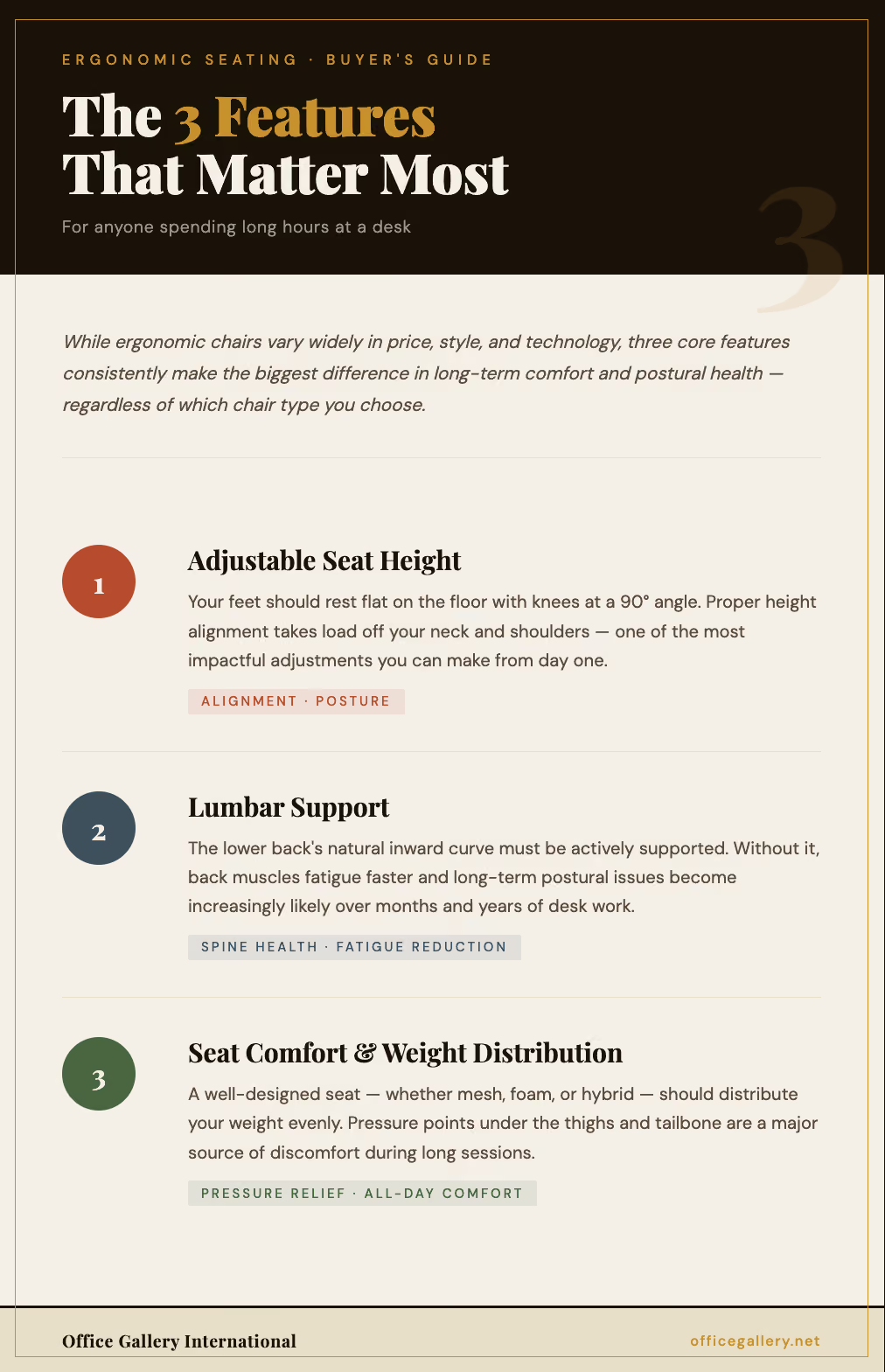
Three features stand out above all others:
- Adjustable Seat Height: Your arms should rest naturally and your feet should sit flat on the floor. Proper height alignment reduces neck and shoulder strain significantly.
- Lumbar Support: Maintaining the natural inward curve of the lower back is essential. Without proper lumbar support, muscles fatigue faster and long-term postural issues are more likely to develop.
- Seat Comfort and Weight Distribution: A well-designed seat surface - whether mesh, foam, or a hybrid - should distribute your weight evenly and avoid creating pressure points, particularly under the thighs and tailbone.
These three features work together to promote good posture, reduce discomfort, and make long workdays significantly easier on your body.
Ready to find the right ergonomic chair for your workspace? Browse Office Gallery International's full selection of ergonomic seating at officegallery.net.
Key Points
How do I choose the right ergonomic chair for my body type and height?
- Match seat height to your body: feet should rest flat on the floor with knees at a 90-degree angle - the single most important alignment adjustment.
- Prioritize multi-size frame options: manufacturers that offer small, medium, and large frames ensure the chair is built for your dimensions rather than forcing your body to adapt.
- Check weight capacity: chairs engineered for heavier users (up to 350–400 lbs) feature wider seats, deeper cushioning, and reinforced frames for enhanced durability.
- Verify seat depth adjustment: taller users (6′4″ and above) should confirm seat depth range, as some self-adjusting models offer limited options in this area.
- Look for adjustable armrests: height, depth, and pivot adjustment keeps elbows at a natural 90-degree angle and reduces shoulder and neck strain throughout the day.
What is the difference between mesh and foam ergonomic chairs?
- Zoned suspension mesh divides the backrest into multiple tension zones that evenly distribute weight - the gold standard for all-day breathability and pressure relief.
- Mesh dissipates body heat, making it significantly cooler than foam during long work sessions - a key advantage for warm offices or all-day use.
- Foam provides a traditional cushioned feel and is preferred by users who want more structure and a softer initial contact - especially when combined with a mesh backrest.
- Hybrid designs offer the best of both: some chairs pair a mesh backrest with a foam-padded seat - or include a foam layer under mesh specifically to support the tailbone.
- Knit-back textile suspension is a newer innovation - acting like a "second skin," it flexes with your movement and delivers soft structural support without the rigidity of traditional mesh.
Which ergonomic chair type is best for users who move a lot during the day?
- Dynamic backrest chairs are designed for active sitters - the backrest adapts and mirrors spinal movement whether you're upright, reclined, or shifting between postures.
- 4-directional armrests (height, width, depth, pivot) accommodate users working across multiple devices and support virtually any seated position.
- Self-adjusting chairs respond automatically to shifts in body weight and movement - no manual readjustment required when switching tasks or postures.
- Higher weight capacities (up to 400 lbs) in the dynamic backrest category make these chairs the most inclusive option for a wide range of users.
- Knit-back suspension chairs promote natural, fluid movement throughout the day - the textile backrest responds continuously rather than locking you into a single support position.
How important is warranty length when buying an ergonomic chair?
- Warranty length is a direct signal of build confidence: manufacturers who offer 12–15 year warranties are stating that their engineering is built for long-term daily use.
- Self-adjusting chairs lead the category with up to 15 years on frames and mechanisms - the longest coverage available across any ergonomic seating category.
- Multi-size task chairs, dynamic backrest chairs, and knit-back models all typically carry 12-year warranties covering parts, labor, and service.
- Budget and mid-range warranties vary more widely - from 5 to 12 years: prioritize models at the higher end of this range for better long-term value in high-use environments.
- Certified refurbished options on premium chairs can reduce cost by 40–50% while still carrying the same warranty standard - a strong value proposition for cost-conscious buyers.
What ergonomic certifications should I look for when buying an office chair?
- GREENGUARD Gold certification confirms the chair meets strict chemical emission standards - important for enclosed office environments and users with chemical sensitivities.
- BIFMA compliance (Business and Institutional Furniture Manufacturers Association) verifies the chair meets industry safety, durability, and sustainability standards.
- Cradle to Cradle Certification signals a commitment to circular design - materials are assessed for recyclability, renewable energy use, and responsible manufacturing practices.
- B Corp certification among manufacturers reflects a broader commitment to environmental and social accountability - common among self-adjusting chair brands using post-consumer recycled content.
- Recycled content in mesh and knit materials is an increasingly common sustainability credential - look for chairs made with post-consumer recycled fibers for reduced environmental impact.
What features separate a premium ergonomic chair from a budget model?
- Multi-size frame availability: premium chairs are engineered in multiple frame sizes; most budget models offer a single "universal" fit that compromises ergonomics for many users.
- Dual lumbar support systems: top-tier chairs independently support both the sacrum and lumbar region; budget models typically offer a single lumbar pad or no adjustable support at all.
- Zoned suspension mesh vs. basic mesh or foam: premium mesh is engineered with differentiated tension zones; entry-level mesh is often a single uniform material with less adaptive support.
- Tilt mechanism sophistication: premium chairs offer multi-position locking, dynamic spine-following movement, or weight-sensitive automatic recline; budget models typically offer basic synchro-tilt.
- Warranty coverage duration: 12–15 year warranties are standard at the premium tier; entry-level chairs may offer only 5 years, signaling lower confidence in long-term durability.