
Designing Your Office Space for the Next Generation
Discover how to design office spaces that attract and retain next-generation talent. This comprehensive guide reveals Gen Z's workplace preferences, from flexible seating and bookable workspaces to seamless technology integration. Learn actionable strategies for creating collaborative yet private environments that boost productivity while appealing to all generations in your workforce.
Post Summary
Gen Z wants open floor plans for visibility and collaboration, combined with private spaces for focused work, flexible seating arrangements, and seamless technology integration with consumer-quality devices and workplace apps.
Implement bookable workspaces through apps or websites, create flexible seating without assigned desks, and design spaces that support both in-person collaboration and remote work integration.
Shared tablets, interactive screens, workplace apps that integrate with Outlook and Teams, booking systems for spaces and resources, and consumer-quality technology throughout the office.
Flexible furniture supports changing work styles, allows for easy reconfiguration of spaces, accommodates both collaboration and privacy needs, and maximizes space efficiency in modern office environments.
Use benching furniture for open collaboration areas while providing bookable private rooms, quiet zones, and flexible spaces that can be configured for different work styles and meeting needs.
This means their expectations of what an office should look like and how an office environment should be are markedly different from earlier generations who experienced pre-pandemic office settings. By contributing thought-provoking ideas, they are challenging the way other generations view work.
Adding Generation Z to the workforce has created a challenge for company leaders as well, who were already working to adapt to new hybrid working models and are now also looking for ways to attract this younger generation to the workforce.
While Gen Z is comfortable with technology and working remotely, they do see the advantages of also working in a physical office space. Keep reading to learn more about the work expectations of Generation Z and three ways to attract them to your company.
An Engaging Physical Environment
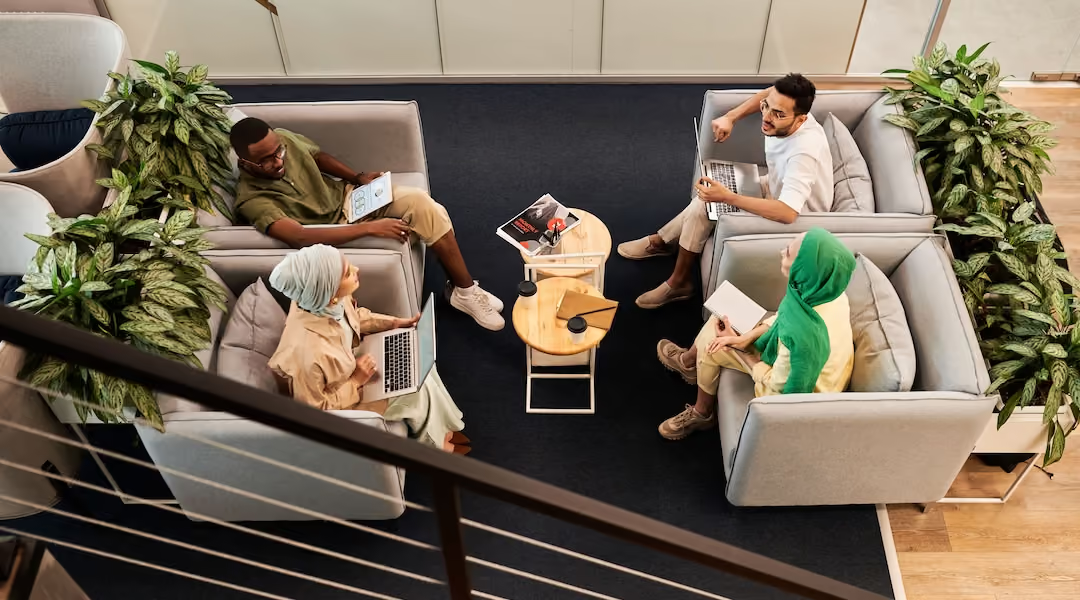
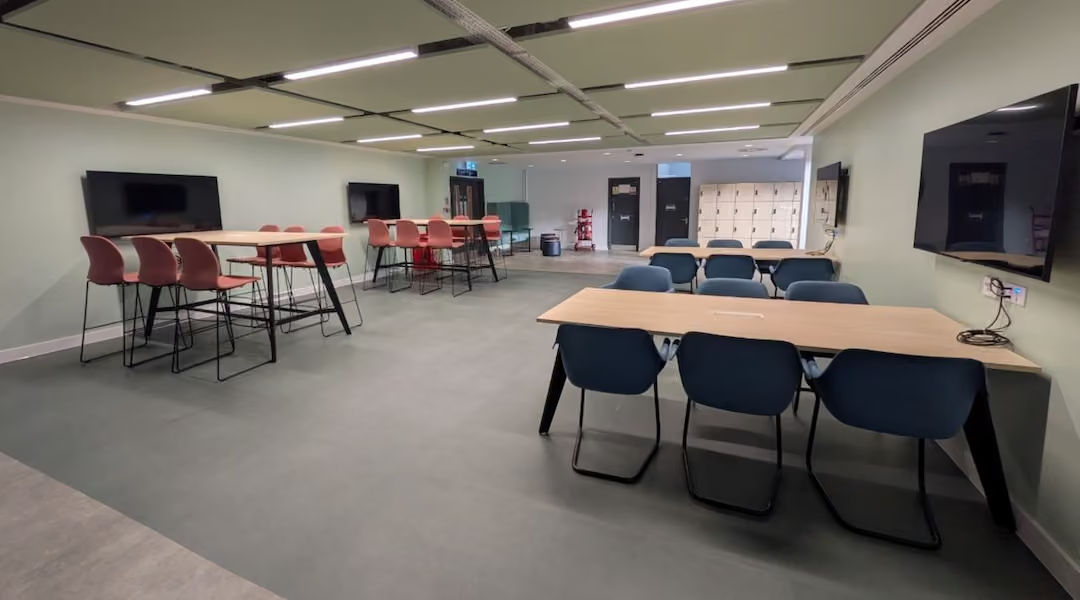
The environment plays a huge role in Gen Z’s comfort level with the physical office space. They want an open floor plan so that they can see who is in the office. Benching office furniture is a creative way to efficiently use the space in an open floor plan. Even with an open floor plan, options for privacy should be included for things like closed-door meetings and concentrated deep-work time.
Another way to engage Gen Z with the physical office space is by providing an app or website that allows them to book office space. This gives them a choice about where they work when they come into the office. Bookable or shared workspaces create places for those who may want to come to the office to focus, while still giving them the ability to collaborate with colleagues. This system offers flexible seating arrangements with modern office desk furniture where not everyone will have a designated desk, and the best spaces can be used by any employee who books the space ahead of time.
Enhanced Technology
Generation Z sees technology as an extension of themselves, meaning they will work better with forward-thinking companies that are willing to adapt and change and implement new and innovative technologies. Incorporating shared tablets, interactive screens, and other consumer-quality tech that make work smoother will appeal to Gen Z.
Integrate Workplace Solutions
Integrating tech workplace solutions such as Outlook, Teams, and mobile phone apps will appeal to Gen Z because this type of modern technology solves immediate needs without drastically changing the flow of work.
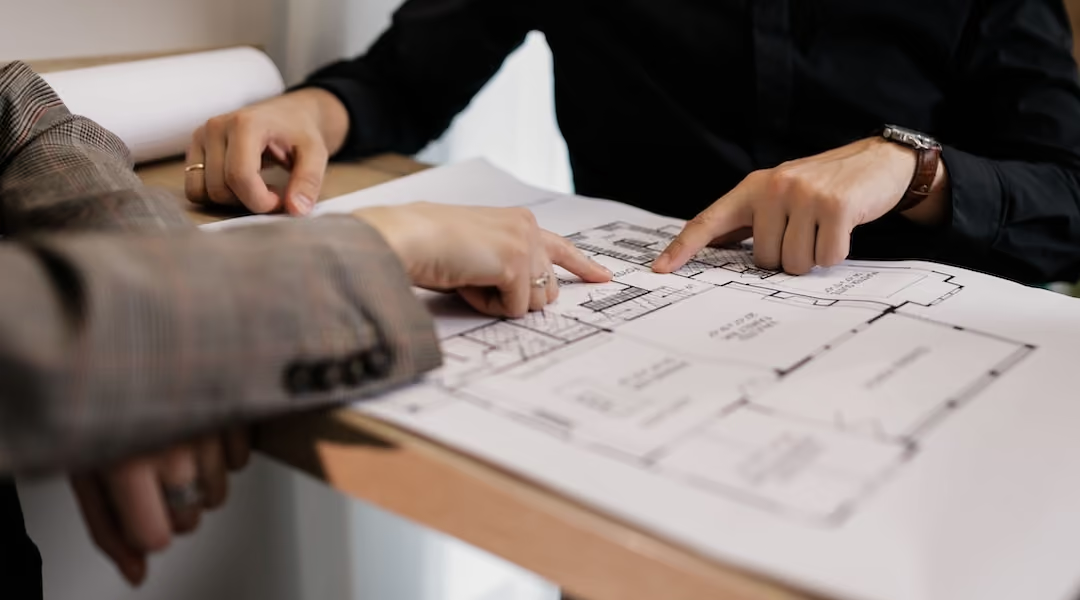
At Office Gallery, we provide office space planning services to help you appeal to every generation of the workforce. From design to layout to furniture selection, our team can provide insight into ways to incorporate an engaging physical space, enhanced technology and existing tech solutions to make the most of your workplace.
For a consultation, contact us today.
Key Points
What Are the Key Design Elements Gen Z Expects in Modern Offices?
- Open Floor Plans with Strategic Privacy: Visible collaborative spaces combined with bookable private rooms and quiet zones
- Flexible Seating Arrangements: Modern benching furniture and non-assigned desks that allow movement and choice
- Advanced Technology Integration: Consumer-quality shared tablets, interactive screens, and seamless app connectivity
- Bookable Workspace Systems: Apps and websites for reserving spaces, meeting rooms, and resources
- Multi-Generational Appeal: Design solutions that work for both Gen Z preferences and existing workforce needs
How Can Technology Integration Improve Office Productivity for All Generations?
- Workplace App Integration: Seamless connectivity with existing tools like Outlook, Teams, and productivity platforms
- Consumer-Quality Devices: Shared tablets and interactive screens that match personal device experiences
- Booking and Scheduling Systems: Digital tools for space reservation, resource management, and hybrid work coordination
- Enhanced Collaboration Tools: Technology that bridges in-person and remote work experiences
- User-Friendly Interfaces: Intuitive systems that require minimal training across all age groups
What Flexible Workspace Solutions Support Hybrid Work Models?
- Bookable Shared Workspaces: On-demand access to desks, meeting rooms, and collaborative areas
- Activity-Based Working Zones: Designated areas for different work styles including focus work, collaboration, and social interaction
- Flexible Furniture Systems: Modular and moveable furniture that adapts to changing team sizes and project needs
- Technology-Enabled Flexibility: Digital tools for space booking, resource allocation, and workspace customization
- Multi-Purpose Areas: Spaces that can be easily reconfigured for different functions throughout the day
How Do You Balance Open Collaboration Spaces with Privacy Requirements?
- Strategic Space Planning: Open areas for visibility and teamwork with adjacent private zones for focused work
- Bookable Privacy Solutions: Reservable quiet rooms, phone booths, and small meeting spaces
- Acoustic Design Considerations: Sound management through materials, layout, and technology to minimize distractions
- Flexible Barriers: Moveable partitions and furniture arrangements that create temporary privacy when needed
- Clear Workspace Zones: Designated areas with understood purposes and noise level expectations
What Are the Most Effective Modern Office Furniture Strategies?
- Benching Systems: Efficient open workspace furniture that maximizes space utilization and promotes collaboration
- Height-Adjustable Solutions: Sit-stand desks and flexible furniture that accommodates different work preferences
- Modular Configurations: Furniture systems that can be easily reconfigured as team needs change
- Storage Integration: Built-in storage solutions that reduce clutter in shared and flexible workspaces
- Comfort and Ergonomics: High-quality seating and surfaces that support productivity and employee wellbeing
How Can Office Design Attract and Retain Next-Generation Talent?
- Tech-Forward Environment: Modern technology integration that meets or exceeds personal device quality and functionality
- Workplace Flexibility: Options for different work styles, locations, and collaboration preferences within the office
- Professional Growth Spaces: Areas designed for learning, development, and cross-generational knowledge sharing
- Company Culture Reflection: Physical spaces that demonstrate values of innovation, collaboration, and employee investment
- Future-Ready Infrastructure: Scalable design solutions that can adapt to evolving workplace trends and technologies