
Designing the Optimal Hybrid Workplace
Create a high-performing hybrid workplace by blending flexible office layouts, advanced technology, and employee-centric design. Discover strategies for seamless collaboration, productivity, and engagement—tailored for the evolving needs of today’s workforce.
Post Summary
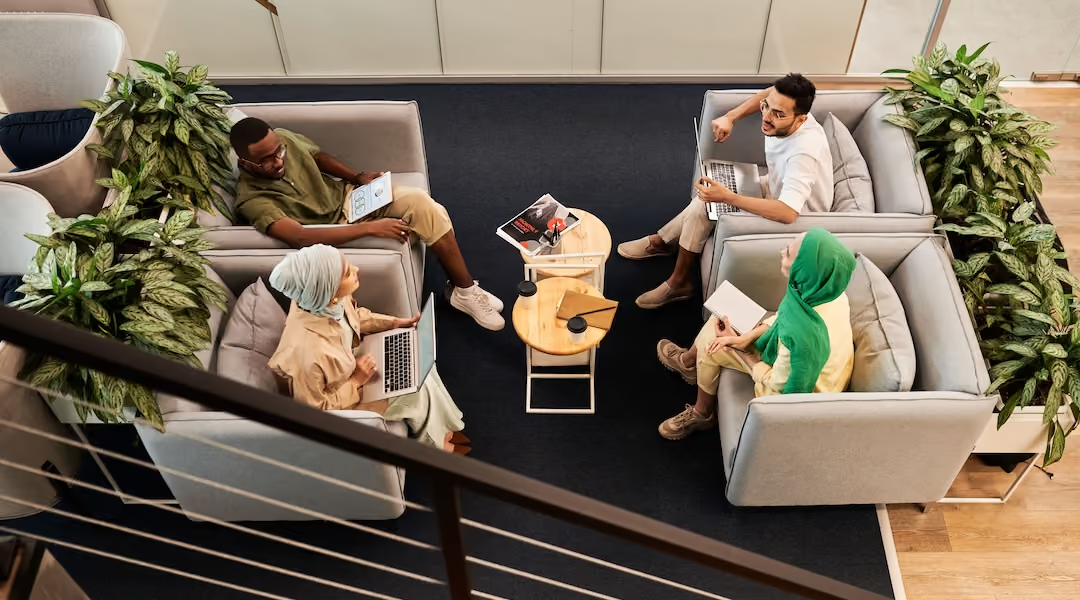
An optimal hybrid workplace combines flexible layouts, advanced technology, and employee-focused amenities to support both in-office and remote work, boosting collaboration and productivity.
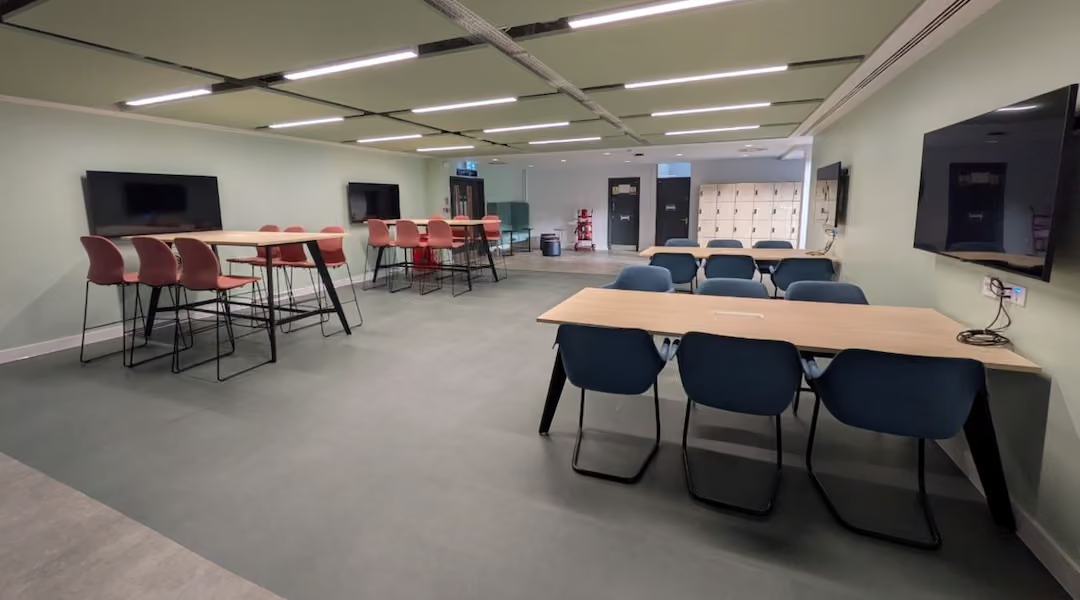
Use modular furniture, adaptable layouts, and bookable workstations to accommodate changing team sizes and work styles, ensuring seamless transitions between remote and in-person work.
Key technologies include video conferencing systems, smart booking apps, collaboration platforms, and integrated AV solutions that connect remote and onsite teams.
Hybrid design empowers employees with choice, supports wellness, and fosters collaboration, leading to higher satisfaction, retention, and productivity.
Assess current space usage, gather employee feedback, invest in flexible furniture and technology, and design zones for both collaboration and focused work.
To meet the needs of their employees and still meet the goals of the business, company leaders must work to blend in-person office work and remote work into the perfect hybrid model so that their employees stay engaged and productive.
How can you incorporate office space planning & redesigning at your business to provide the optimal hybrid workplace? Read on to learn more about four key areas where you can focus your efforts.
Provide Work Location Flexibility to Your Employees
Before the pandemic, employees did not consider flexibility to be an option. The pandemic showed both employees and company leaders that workers could be offered flexibility and still remain productive and engaged. A recent survey by LinkedIn showed that about half of employees want flexible hours and work locations and have prioritized those options when considering job opportunities.
Workplace flexibility gives your employees the opportunity to thrive. They can save money on the commute, on work clothes, and on eating out. Employees are not the only ones to receive benefits from work location flexibility. Businesses see an increase in employee retention, loyalty, productivity and engagement.
Reevaluate Benefits Offerings
Because of the pandemic, employees of all generations are reevaluating what is important to them. Traditional values like money and titles are no longer as sought after, but instead, things like physical and mental health and workplace safety are now top priorities.
Employees want to be able to tailor their work experience to best reflect what they want out of life. In order to keep employees engaged, companies will need to reevaluate the benefits they offer and match them to the employee’s situation. For example, a working parent might want childcare reimbursement while a single person might want reimbursement for a gym membership. All employees might want increased access to mental health services.
Evolve the Space Available to Employees
After the pandemic began and employees realized they weren’t going back to the physical office anytime soon, they invested in making their home offices as comfortable as possible and to contribute to their overall wellness. From standing desks to treadmill desks, from dual monitors to top-of-the-line headphones, employees have come to expect a top-notch physical environment in which to work.
Workstation office furniture should not only be functional, but it should also contribute to wellness. To determine what your employees need for their office space, listen to their feedback and assess technology needs, especially those that allow hybrid employees to easily share information and collaborate with remote team members.
Create Social Connections
Creating social connections among employees can help keep employees engaged and increase job satisfaction. During the pandemic, employees got a glimpse of their coworkers’ homes, pets, and family members and deepened authentic personal connections. Some companies offered virtual happy hours or mailed care packages with activities for employees to complete together.
Authentic connections are based on mutual respect. Building relationships takes time, but in the end, it is worth it to have a stronger, more dedicated team.
Let’s Start Planning Your Hybrid Office Space
At Office Gallery, we can help create a workspace that is both inviting and efficient. With our office interior design service, we offer start-to-finish assistance in designing a workplace that fits all your hybrid workplace needs.
Contact us today for a consultation.
Key Points
What Are the Core Principles of Optimal Hybrid Workplace Design?
- Flexibility: Use modular layouts and furniture to adapt to changing team needs and work patterns.
- Technology Integration: Implement smart booking systems, video conferencing, and collaboration tools for seamless hybrid work.
- Employee-Centric Planning: Prioritize wellness, comfort, and choice to boost engagement and satisfaction.
- Zoned Spaces: Designate areas for collaboration, focus, and social interaction to support diverse work styles.
- Data-Driven Decisions: Use occupancy analytics and employee feedback to refine space allocation and amenities.
- Scalability: Ensure infrastructure and design can evolve with organizational growth and future trends.
How Can Technology Maximize Productivity in Hybrid Workplaces?
- Unified Communication Platforms: Integrate video conferencing, chat, and project management tools for real-time collaboration.
- Smart Booking Systems: Allow employees to reserve desks, rooms, and resources via mobile apps or web portals.
- AV Integration: Equip meeting spaces with high-quality audio and video for seamless remote participation.
- IoT Sensors: Monitor occupancy, air quality, and energy usage to optimize comfort and efficiency.
- Cloud-Based Solutions: Enable secure access to files and applications from anywhere.
- User-Friendly Interfaces: Ensure all technology is intuitive and requires minimal training.
What Flexible Space Planning Strategies Support Hybrid Work?
- Modular Furniture: Use desks, tables, and seating that can be easily reconfigured for different team sizes and activities.
- Activity-Based Zones: Create dedicated areas for collaboration, focus, meetings, and relaxation.
- Bookable Workstations: Implement hot-desking and reservation systems to maximize space utilization.
- Acoustic Solutions: Use partitions, sound-absorbing materials, and quiet zones to reduce distractions.
- Mobile Storage: Provide lockers and mobile pedestals for personal belongings in shared environments.
- Scalable Layouts: Design spaces that can expand or contract as workforce needs change.
How Does Hybrid Workplace Design Enhance Employee Engagement and Wellbeing?
- Choice and Autonomy: Empower employees to choose where and how they work best.
- Wellness Features: Incorporate natural light, biophilic elements, and ergonomic furniture to support health.
- Social Spaces: Foster community and informal interaction with lounges and break areas.
- Quiet Zones: Offer spaces for focused work and mental recharge.
- Feedback Loops: Regularly solicit and act on employee input to improve the environment.
- Recognition of Diversity: Design for a range of work styles, abilities, and preferences.
What Are the Key Furniture and Layout Considerations for Hybrid Offices?
- Ergonomic Seating: Invest in adjustable chairs and sit-stand desks for comfort and health.
- Collaborative Tables: Use large, flexible tables for team meetings and brainstorming sessions.
- Privacy Pods: Provide enclosed booths or rooms for calls and focused tasks.
- Mobile Whiteboards: Enable spontaneous collaboration and idea sharing.
- Multipurpose Spaces: Design areas that can serve as meeting rooms, lounges, or event spaces.
- Aesthetic Consistency: Maintain a cohesive look that reflects company culture and values.
How Can Office Gallery Help Organizations Achieve Optimal Hybrid Workplaces?
- Expert Consultation: Offer free assessments and tailored design recommendations.
- Comprehensive Solutions: Provide access to a wide range of modular furniture and technology partners.
- Project Management: Guide clients from planning through installation and post-occupancy support.
- Trend Alignment: Stay ahead of industry trends to deliver future-ready workspaces.
- Employee-Centric Approach: Prioritize solutions that enhance engagement, wellness, and productivity.
- Ongoing Support: Offer continued consultation and updates as workplace needs evolve.