Creating a Culture of Collaboration
Maximize hybrid office productivity with strategic hoteling furniture designs. From flexible seating arrangements to collaborative spaces, discover how the right office furniture creates environments that boost teamwork and individual focus in today's evolving workplace.
Post Summary
Hoteling is an open floor plan inspired by hotel lobbies, with various seating groups to encourage flexible collaboration.
Club chairs and stools around high-top tables offer versatility for both solo and group work.
Reception areas now act as concierge stations for check-in and often include lockers for personal storage.
Lockers provide secure, clutter-free storage for employees’ personal belongings in shared workspaces.
Strategic placement enables smooth transitions between focused work and collaboration, maximizing productivity.
As more organizations adopt hybrid schedules moving forward, they want to make the most of their employees’ time when they’re in the office. Specifically, times of togetherness are crucial for collaborating, coordinating, and sharing ideas. The right office furniture can help create that kind of environment.
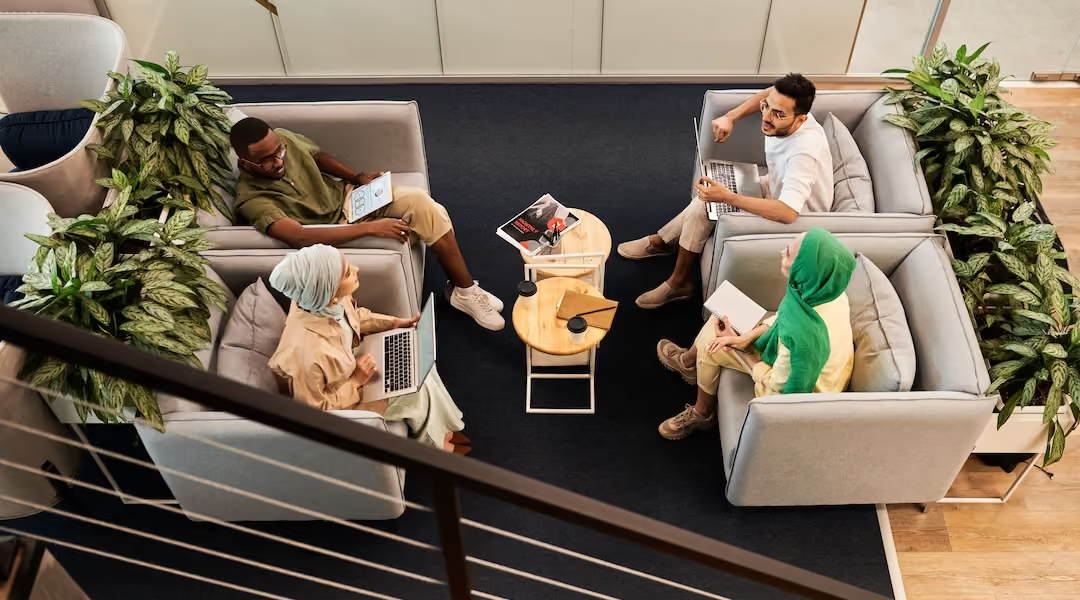
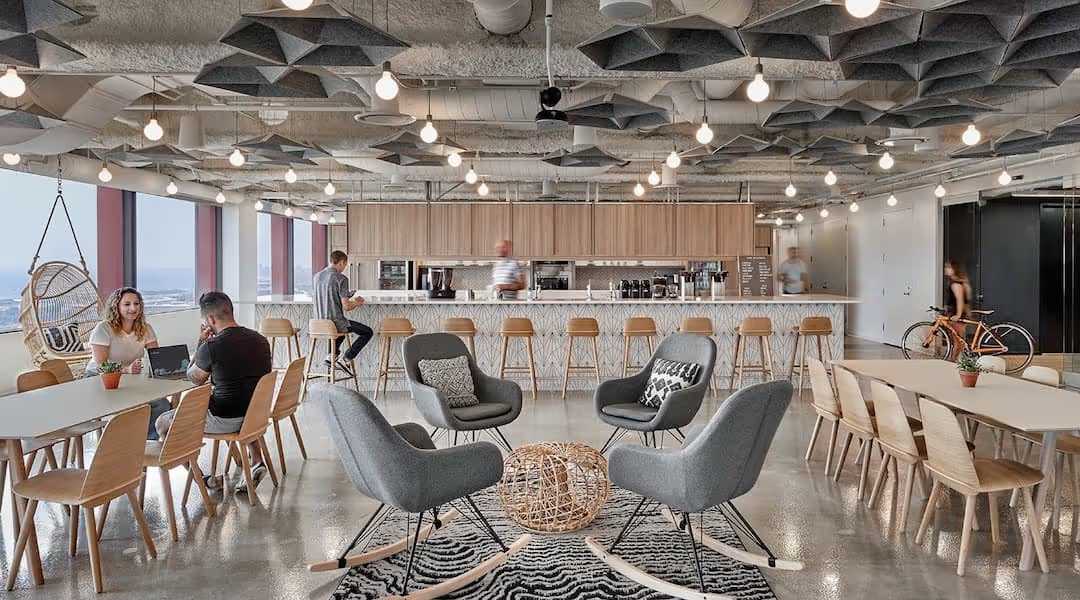
Hoteling is a great option for cultivating this kind of atmosphere. Like a hotel lobby, hoteling designs incorporate an open floor plan dotted with different types of seating groups. This corporate design is conducive to encouraging smaller groups to collaborate.
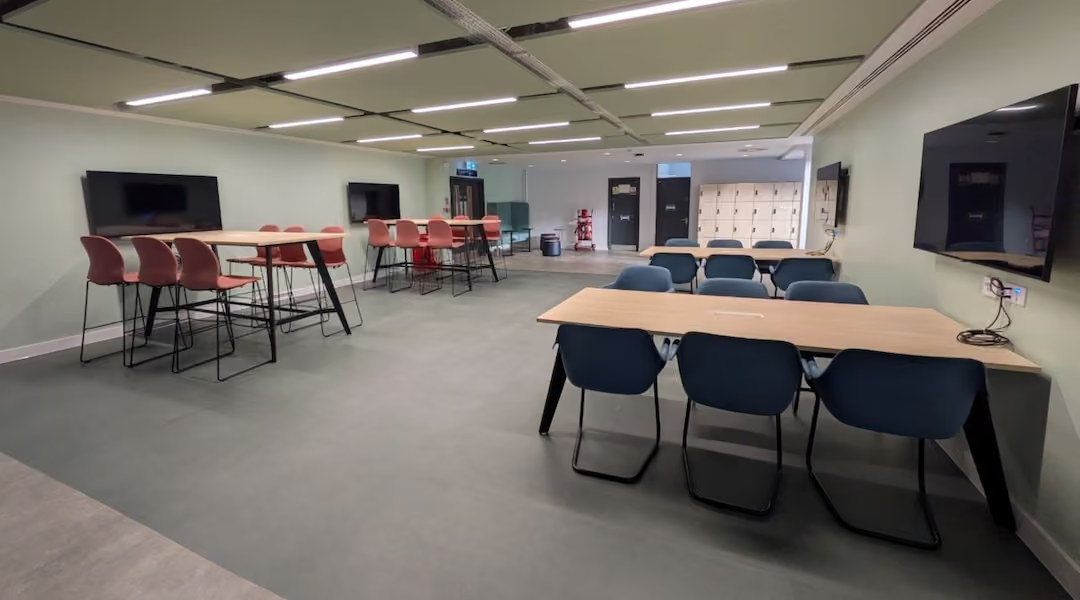
Where you put your seating is just as important as what kind of seating you choose. Soft seating options, like club chairs, are definitely popular, as are stools spaced around high-top tables. These kinds of arrangements offer versatility and flexibility – employees can put their headphones in and work quietly alone for a while in one space, and then quickly shift to shared spaces that encourage working together.
In a similar way, reception areas have become more like concierge stations where employees check in. Lockers are also becoming a popular add-on to the hybrid office design – with lockers, employees can safely stow their personal belongings, which helps to create a clutter-free environment.
Furniture designers are becoming more creative every day, and as a result, there are a lot of furniture options available that help make spaces more flexible. Visit us at Office Gallery and we can show you some of the latest in furniture pieces that help make your office a safe, welcoming, collaborative space.
Key Points
How can businesses effectively implement hoteling designs in their hybrid office spaces?
- Open floor plan foundation:
- Remove traditional cubicle walls for a hotel lobby-inspired space.
- Diverse seating zones:
- Scatter multiple seating group types throughout the office.
- Technology integration:
- Ensure power and connectivity at every seating area.
- Clear sight lines:
- Arrange furniture to promote collaboration and visual openness.
- Flexible configurations:
- Use modular pieces that can be reconfigured as needs change.
- Office Gallery expertise:
- Provides complete solutions for transforming traditional offices into dynamic hoteling environments.
What specific furniture pieces create the most effective hybrid office collaboration zones?
- Club chairs:
- Comfortable, soft seating for informal meetings and relaxed collaboration.
- High-top tables with stools:
- Ideal for standing meetings and quick team check-ins.
- Modular lounge seating:
- Configurable for groups of varying sizes.
- Mobile whiteboards:
- Enable spontaneous brainstorming and idea sharing.
- Café-style tables:
- Offer casual, less formal meeting spaces.
- Offer casual, less formal meeting spaces.
- Ottoman storage pieces:
- Dual-purpose for seating and organization.
- Versatility is key:
- Each piece should support both individual and group work.
How should reception areas be redesigned for hybrid workplace functionality?
- Concierge-style check-in stations:
- Help employees reserve spaces and access schedules.
- Integrated technology:
- Digital displays for availability and announcements.
- Personal storage solutions:
- Lockers for secure storage of belongings.
- Multi-functional furniture:
- Reception seating for both guests and employees.
- Hospitality aesthetics:
- Welcoming environments that reflect company culture.
- Flexible layout:
- Adaptable to daily traffic and social distancing needs.
Why are lockers becoming essential in hybrid office design, and how should they be integrated?
- Clutter-free workspaces:
- Employees store personal items without permanent desks.
- Enhanced security:
- Keeps valuables and sensitive materials safe.
- Space efficiency:
- Reduces need for assigned storage, maximizing collaboration areas.
- Hygiene support:
- Personal items stay contained, supporting cleanliness.
- Strategic placement:
- Near reception or corridors for easy access.
- Aesthetic coordination:
- Match locker finishes to office design.
What role does furniture placement play in maximizing hybrid office productivity?
- Collaboration zone positioning:
- Place collaborative furniture at high-traffic intersections.
- Natural lighting access:
- Position seating near windows for energy and mood benefits.
- Acoustic considerations:
- Balance open collaboration with noise management.
- Visual connectivity:
- Maintain sight lines for team awareness.
- Individual work areas:
- Quiet corners for focused work, away from activity zones.
- Quick transition access:
- Enable seamless movement between solo and group work.
How can Massachusetts businesses transition their existing offices to hybrid-ready furniture solutions?
- Assessment and planning:
- Evaluate current space and workflow.
- Phased implementation:
- Upgrade in stages to minimize disruption.
- Budget optimization:
- Maximize ROI with smart furniture investments.
- Regional considerations:
- Adapt to New England’s lighting, building styles, and business culture.
- Weather resilience:
- Choose durable furniture for local climate.
- Office Gallery’s local expertise:
- Ensures solutions fit Massachusetts business needs and expectations.