Best Materials for High-Traffic Breakroom Furniture
Breakroom furniture takes a beating. This guide covers the four best materials for high-traffic spaces — HPL tabletops, powder-coated steel frames, commercial-grade upholstery, and solid hardwoods — comparing durability, maintenance, and cost so Boston-area businesses can make smarter, longer-lasting furniture investments.
Post Summary
High-pressure laminate, powder-coated steel, commercial-grade upholstery fabrics, and solid hardwoods are the top four materials - each balancing durability, maintenance, and cost differently for busy breakroom environments.
HPL is scratch, stain, and heat resistant up to 275°F, requires no sealing or waxing, and is available in thousands of design options - making it one of the most practical and low-maintenance surfaces for breakroom tables and counters.
Powder-coated steel typically lasts 10 to 20 years, resists corrosion, withstands heavy loads without bending, and is easy to clean - making it the most structurally reliable choice for breakroom frames and bases.
Commercial-grade synthetic microfiber and polyester fabrics rated at 30,000 to 100,000+ double rubs are ideal - they resist stains, fading, and wear, and are easy to clean with standard or bleach-based solutions.
Solid hardwoods like maple, oak, walnut, and teak make sense when longevity and aesthetics are priorities - they can be refinished repeatedly, last over 15 years in commercial settings, and develop a richer appearance with age.
Breakroom furniture needs to handle heavy use, spills, and constant movement while staying durable and easy to maintain. Choosing the right materials can save money over time and create a welcoming space for employees. Here’s a quick overview of top materials for high-traffic breakrooms:
- High-Pressure Laminate (HPL): Durable, stain-resistant, and easy to clean. Ideal for tabletops and counters.
- Powder-Coated Steel: Strong and long-lasting, perfect for chair frames and table bases.
- Commercial-Grade Upholstery Fabrics: Designed for heavy use, with stain and abrasion resistance. Great for seating.
- Solid Hardwoods: Dense and repairable, offering long-term durability and a premium look.
Each material balances durability, cost, and maintenance differently, making them suitable for various breakroom needs.
High-Pressure Laminate (HPL)
High-pressure laminate (HPL) is a solid option for breakroom tables and counters, thanks to its durability and practicality. Made by bonding layers of resin-infused kraft paper under intense heat and pressure, HPL creates a dense, resilient surface that can handle the wear and tear of a busy breakroom.
Its non-porous surface offers excellent resistance to spills, stains, and even microbial growth - no periodic sealing required [8][10]. Unlike natural materials like wood or stone, HPL maintains its protective qualities without the need for ongoing maintenance.
Another standout feature is its heat resistance. HPL can endure temperatures up to 275°F for extended periods [12], making it perfect for handling hot coffee mugs or lunch containers. Additionally, it boasts decades of proven scratch and impact resistance [7].
Durability and Maintenance
HPL is a low-maintenance solution, which is a big plus in high-traffic areas. A simple wipe-down with a damp cloth and mild detergent is usually all it takes to keep it clean [8][11]. Unlike wood, it doesn’t need waxing, refinishing, or special treatments. Some advanced technologies, like Wilsonart's AEON, enhance scratch and scuff resistance by 3 to 5 times compared to standard laminates [13]. As Wilsonart aptly notes:
"The design will go out of style before the product wears out!" [13]
For commercial spaces, laminates with an Abrasion Criteria (AC) rating of AC4 or AC5 are recommended. These ratings ensure the material can withstand heavy use and frequent traffic [11]. A helpful tip: use edge treatments or edgebanding to protect the seams and prevent moisture from damaging the underlying material [7][8].
HPL’s combination of durability and ease of maintenance makes it a practical and reliable choice for breakrooms.
Design Options
HPL isn’t just about durability - it also offers incredible flexibility in design. With thousands of colors and textures available, you can choose from realistic woodgrain, stone, marble, or metallic finishes [7][8][11]. Modern digital printing technology even allows for custom silkscreened designs, making it possible to incorporate company branding directly into the furniture [7][9].
For counters, postforming grades of HPL are worth considering. These can be heated and shaped to create rounded or contoured edges, eliminating sharp corners and giving a sleek, polished appearance [7][9]. Depending on the complexity of the design, costs typically range from $25 to $40 per square foot [12].
HPL balances functionality with style, making it a versatile choice for creating breakrooms that are both durable and visually appealing.
Powder-Coated Steel
Powder-coated steel is a powerhouse material when it comes to breakroom furniture, offering impressive strength, especially for chair frames and table bases. The process involves applying an electrostatically charged powder - made of resins and pigments - to grounded metal. Once applied, the coated metal is baked in an oven, where the powder melts and chemically bonds to the surface, forming a tough, continuous film that’s built to last [15]. Unlike traditional liquid paint, which merely coats the surface, this method ensures a durable, fused finish that can withstand significant wear and tear.
This type of coating typically lasts 10 to 20 years, and in some cases, up to 40 years, depending on how it’s used [14]. It’s also highly resistant to corrosion, with top-tier finishes enduring over 500 hours of salt spray testing [17]. That kind of resilience makes it ideal for high-traffic areas like breakrooms.
Strength for High-Traffic Areas
Steel frames are designed to endure the constant demands of busy breakrooms, where furniture is in near-constant use. With a minimum wall thickness of 1.5mm, steel frames resist bending or warping under heavy loads, offering stability even during frequent use [17].
When choosing furniture, look for steel pieces with welded joints that have smooth, gap-free seams. This ensures the structure can handle heavy use without compromising its integrity [17]. Tables with steel bases or reinforced metal legs are particularly effective at reducing wobbling, which is essential in collaborative spaces where furniture is often rearranged.
Beyond its strength, powder-coated steel is also incredibly easy to maintain, making it a practical choice for breakrooms.
Low Maintenance Requirements
One of the standout features of powder-coated steel is how little maintenance it requires. Its smooth, sealed surface resists stains from food and drink spills, and it can be cleaned with most standard cleaners without risking damage. The coating is particularly good at masking scuffs and marks from daily use, unlike chrome finishes, which tend to highlight fingerprints and scratches.
While chrome may have a sleek aesthetic appeal, powder coating provides a more budget-friendly option that’s better at concealing signs of wear. If deep scratches occur, they can be repaired with touch-up paint to prevent rust. Just steer clear of chlorine-based cleaners and stick to pH-neutral options to preserve the coating’s integrity.
For those planning their budgets, mid-range powder-coated steel furniture typically costs between $80 and $150. At this price point, you can expect 1.5mm tubing and professional-grade powder coating - an excellent balance of durability and affordability for breakroom settings [17].
Commercial-Grade Upholstery Fabrics
When paired with durable surfaces like HPL and powder-coated steel, upholstery fabrics bring both comfort and practicality to high-traffic breakrooms. These fabrics are crafted to withstand constant use, resist stains, and meet fire safety standards, making them a vital component of breakroom seating durability [18]. The toughness of these fabrics is often measured using the Wyzenbeek test, which calculates "double rubs" - the back-and-forth motions a fabric endures before showing wear [18][19].
For breakrooms that see heavy use, fabrics should have a minimum rating of 30,000 double rubs, though for more demanding environments, ratings of 50,000 to 100,000+ double rubs are recommended [18][19][4]. To put it in perspective, about 3,000 double rubs equates to one year of typical use [5]. Synthetic fibers like polyester, nylon, and olefin are particularly well-suited for these settings, thanks to their natural resistance to fading, moisture, and wear [18][19].
A practical tip? Opt for mid-tone colors or heathered textures. These choices are excellent at camouflaging everyday dirt and stains, which are inevitable in food-heavy areas [18]. Below, we’ll take a closer look at two standout fabric options for breakrooms.
Synthetic Microfiber
Synthetic microfiber is a go-to fabric for high-traffic furniture, and for good reason. Its ultra-fine, dense weave not only gives it a suede-like texture but also makes it highly resistant to liquids and dirt [21][22]. This tight weave is a hallmark of its durability, with microfiber typically scoring between 30,000 and 100,000+ double rubs on the Wyzenbeek scale [22].
What sets microfiber apart is its built-in stain resistance, which comes from its structure rather than any added chemical treatments. This means its protective qualities last over time. Plus, it’s easy to clean and requires minimal upkeep [21]. However, microfiber does attract lint and hair, so regular vacuuming is a must - especially in breakrooms where employees gather frequently [6].
Commercial Polyester and Chenille
In addition to microfiber, commercial polyester is another excellent choice for busy breakrooms. Known for its strength and affordability, commercial-grade polyester often surpasses 100,000 double rubs, making it a reliable choice for seating that sees daily use [18]. It’s quick-drying, resists stretching or shrinking, and holds its shape well [20]. While polyester is naturally resistant to stains and fading, manufacturers often enhance its performance with finishes like Crypton, Nanotex, or Scotchgard to improve its ability to repel moisture [4][18].
Performance chenille, a specialized polyester variant, adds a softer, more cushioned feel, making it ideal for lounge or accent seating [6]. However, standard chenille isn’t suited for commercial use, so be sure to select performance-grade chenille made from cleanable polyester fibers. One word of caution: the fabric’s chunky texture can snag on items like keys or bags, so it’s best suited for areas with lighter use [6].
For breakrooms prone to spills, ensure your fabric is bleach-cleanable for easy sanitation [18]. Always check furniture tags for cleaning codes - "W" for water-based cleaners, "S" for solvent-based, and "WS" for both - to prevent accidental damage during cleaning [5]. These fabric options strike a balance between durability and low maintenance, making them perfect for high-use spaces.
Solid Hardwoods
Solid hardwoods like oak, walnut, teak, and maple are known for their impressive density, which allows them to handle heavy loads without sagging or bowing over time [25]. Unlike engineered woods or laminates, these materials can be sanded and refinished repeatedly, making it easy to remove deep scratches or refresh their appearance as styles evolve [25][29]. This durability makes them an excellent choice for high-traffic breakroom areas.
Take hard maple, for instance - one of the toughest domestic hardwoods. It's often used for bowling alleys and butcher blocks because of its outstanding resistance to dents and nicks [24][26]. Similarly, white oak has a Janka Hardness rating of about 1,350 lbf, while teak measures around 1,070 lbf, making both highly durable against daily wear and tear [28].
Some hardwoods also come with natural advantages. Teak, for example, is rich in natural oils and silica, which makes it moisture-resistant. White oak, with its closed-grain structure, offers similar protection against moisture [24][28]. However, these benefits are maximized when paired with proper protective finishes - a topic covered in detail below.
Longevity and Scratch Resistance
Hardwoods are built to last. In commercial settings, hardwood furniture can maintain its structural integrity for over 15 years, whereas less expensive woods often fail within 5 years due to veneer damage or water exposure [28]. This longevity is due to their density and the ability to restore them through sanding and refinishing.
Teak, in particular, stands out for its stability, with a shrinkage rate of just 4.5% - significantly lower than oak (10.5%) or mindi (10.2%) [28]. This makes teak less prone to cracking or warping, even when exposed to temperature or humidity changes.
Unlike laminates, which can sag or suffer water damage when their core is compromised [30], solid hardwoods retain their structure even under the strain of vibrating equipment or frequent movement, such as with sit/stand desks [25]. Scratches on hardwoods can also be easily buffed or sanded out, offering a level of restoration that other materials simply can't match. When paired with quality finishes, hardwoods are well-suited to withstand the demands of busy breakroom environments.
Water-Resistant Finishes
Applying protective finishes, such as water- or oil-based polyurethane, enhances hardwoods' resistance to both moisture and scratches, making them ideal for high-traffic areas [24]. These commercial-grade finishes not only protect the wood but also highlight its natural beauty [28].
To maintain this protection, occasional reapplications of furniture wax or oil - about once or twice a year - help preserve the wood's luster while guarding against minor scratches and moisture [24]. In particularly humid environments, dehumidifiers can prevent moisture damage and rot [23]. Simple habits, like wiping up spills promptly and using coasters, also help protect premium surfaces like walnut or cherry from water rings and heat damage [26][29].
Over time, hardwoods develop a unique character rather than simply wearing out. For example, cherry and walnut take on a rich patina as they age, adding depth and warmth to their appearance [24][26]. This natural aging process not only enhances their visual appeal but also ensures they remain functional and inviting in breakroom spaces for years to come.
Material Comparison
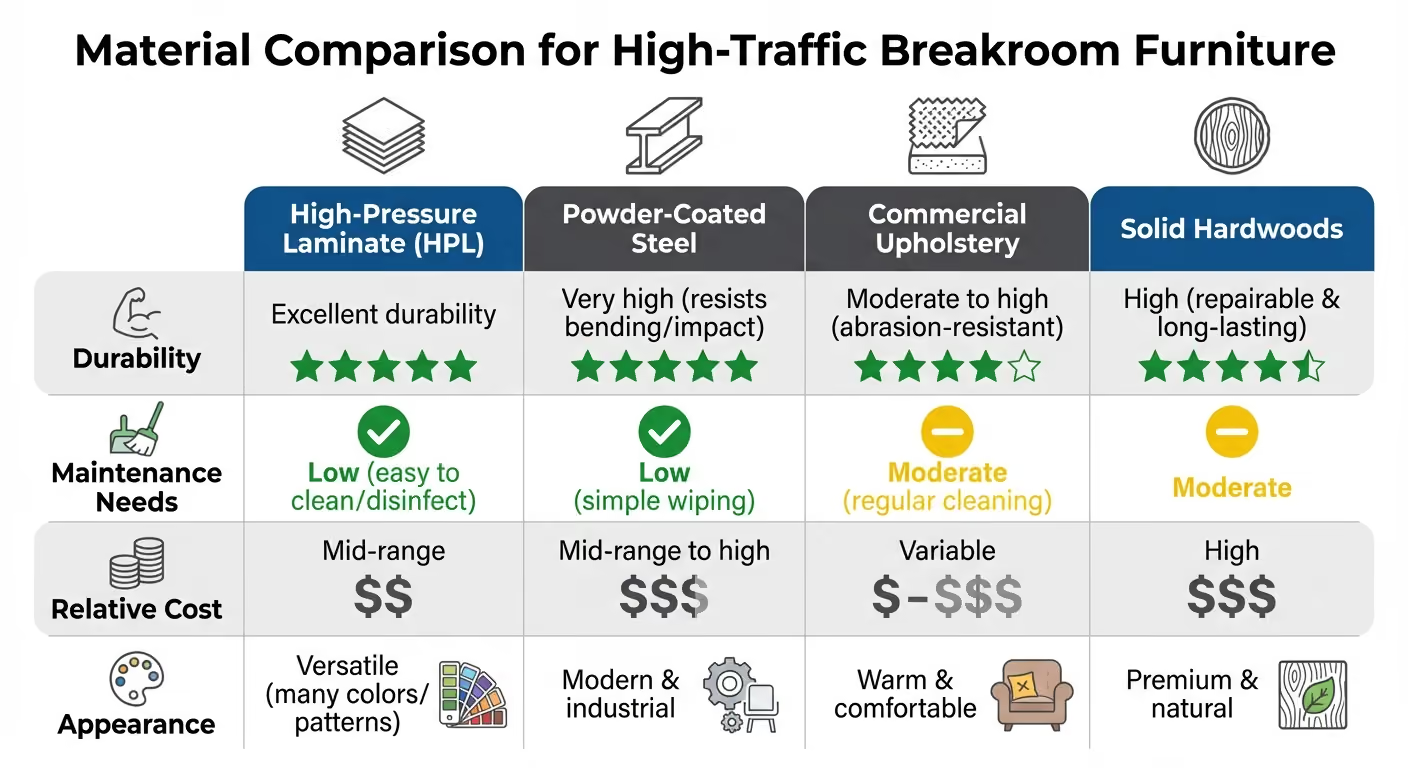
When selecting breakroom furniture, it's essential to weigh materials based on durability, maintenance, cost, and appearance. Here's a closer look at some popular options:
High-Pressure Laminate (HPL) is often referred to as the "durability champion" for surfaces like tabletops and counters. Its resistance to scratches, impacts, and moisture makes it a standout choice, especially when compared to standard melamine. Plus, it strikes a balance between toughness and affordability [31][32].
Powder-coated steel is a go-to for frames, bases, and legs, especially in high-traffic areas. It’s built to withstand heavy use without bending or breaking. While its industrial look might not appeal to everyone, it offers dependable strength and is easy to maintain [2][27].
Commercial-grade upholstery combines style with practicality. Synthetic microfibers and polyester blends designed for heavy use can endure over 50,000 double rubs, making them highly resistant to wear and stains. However, they do require regular vacuuming and occasional spot cleaning to keep them looking fresh [21][1].
Solid hardwoods bring a timeless, natural aesthetic and impressive longevity. However, they need periodic care to maintain their appearance and integrity, which might not suit all settings.
Material Comparison Table
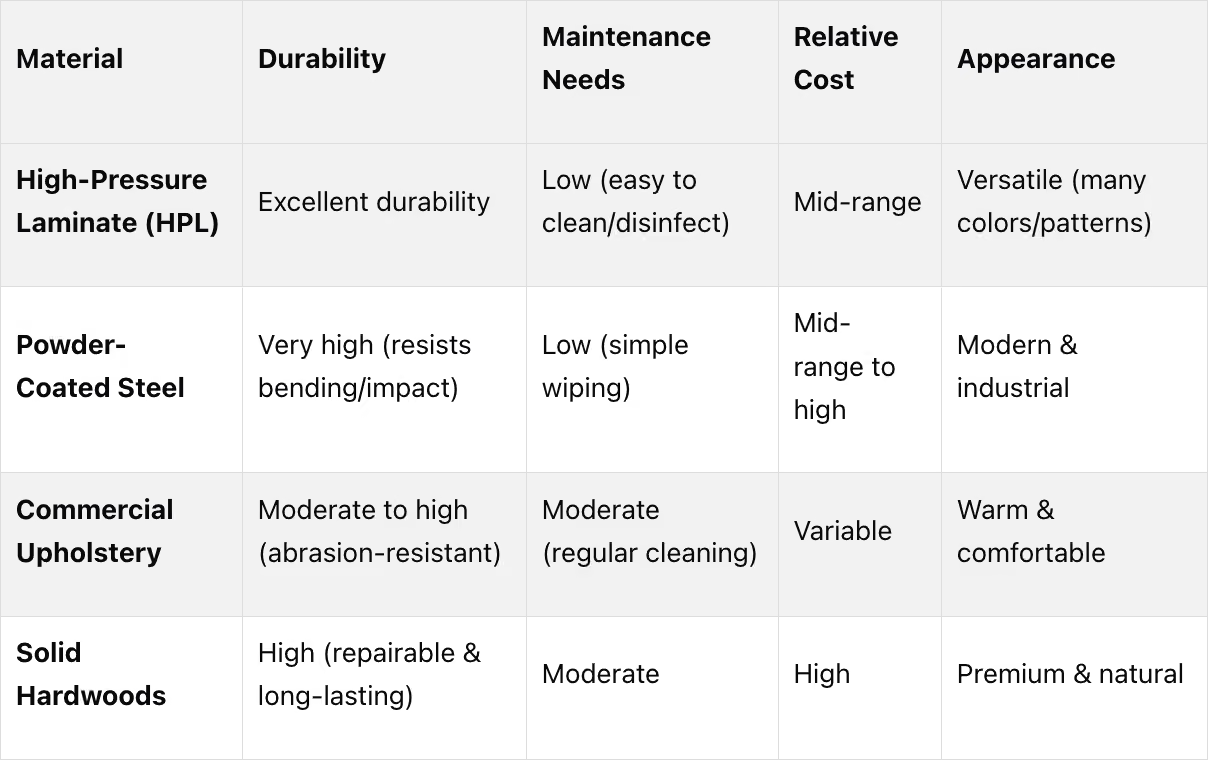
For added durability and cost-efficiency, pairing HPL with substrates like MDF can be an excellent choice in commercial breakroom setups [31][27].
Office Gallery International Solutions
Office Gallery brings over three decades of experience to crafting breakroom solutions that are both functional and built to last. Serving businesses across the Greater Boston area since 1989, they’ve worked with notable organizations like Brigham & Women's Hospital and the Boston Bar Association, delivering furniture designed to handle the rigors of daily use [34].
Custom Furniture and Space Planning
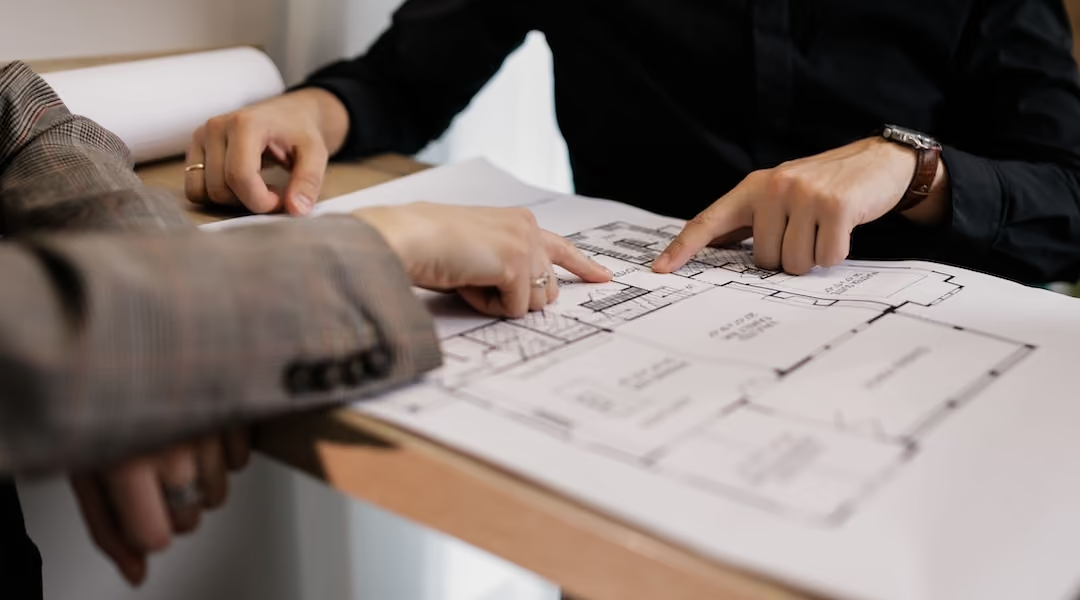
Durability doesn’t have to compromise design. Office Gallery International offers on-site consultations to measure spaces and identify high-traffic zones, ensuring the right materials are chosen for long-term performance [35]. Using 3D visualizations and CAD layouts, they help clients visualize their breakroom setup before installation [34].
"We specify, space-plan and design the best solutions to meet your individual needs." – Office Gallery International [35]
As an independent boutique dealer, they source products from a wide array of manufacturers, ensuring a balance of durability, style, and budget. Their 2,500-square-foot showroom in Norwood, MA, allows clients to explore furniture options firsthand, making the planning process more interactive and tailored. From tables to seating, every element is designed to meet the demands of a bustling breakroom.
Durable Furniture Offerings
Office Gallery International specializes in breakroom furniture engineered for high-traffic use. Their multi-purpose tables combine durable laminate tops with brushed aluminum bases, making them perfect for casual lunches or quick team meetings [33]. Finish options like American Elm, Coastal Gray, Modern Walnut, Cherry, and White ensure the furniture aligns with the overall office design while meeting high durability standards.
Seating options include commercial-grade chairs from trusted manufacturers such as AIS, SitOnIt, KFI, and 9 to 5 Seating. These chairs feature ergonomic designs and easy-to-clean fabrics, making them practical for busy environments [47,48]. Additionally, their storage solutions - offered through brands like Three H, Global, and IOF - include lockers and filing cabinets to keep breakrooms organized.
Office Gallery International handles every step of the process, from design to professional installation. They even coordinate with building management to ensure smooth delivery, particularly in complex downtown Boston locations [34].
Conclusion
When selecting breakroom materials, focus on options that balance durability, ease of maintenance, and cost-efficiency. Materials like laminate, steel, commercial fabrics, and hardwood each bring specific benefits tailored to high-traffic spaces.
Spending a bit more upfront can save you money down the line. As 247workspace explains, "Spending a bit more upfront on durable furniture can save money in the long run by reducing replacements." [1] Choosing furniture that meets ANSI/BIFMA certifications ensures it has been rigorously tested for safety and performance, even in demanding environments [3]. Additionally, non-porous surfaces and performance fabrics make cleaning a breeze, especially in food-service areas.
Ready to create a breakroom that stands up to heavy use? Office Gallery International specializes in designing spaces with these durable materials. Check out their website or reach out for a consultation to bring your vision to life.
FAQs
What material is best for resisting spills in a breakroom?
Melamine-faced chipboard (MFC) stands out as a top choice for handling spills effectively. Known for its durability, it resists stains, scratches, and moisture, making it a smart option for breakroom furniture in busy spaces.
What should I look for in high-traffic upholstery?
For upholstery that sees a lot of use, focus on fabrics with strong abrasion resistance and sturdy construction, like woven fibers. Options such as nylon or polyester are ideal since they hold up well against wear and tear and are simple to care for. These qualities help keep your furniture looking its best, even with constant use.
How do I balance durability and budget?
When selecting breakroom furniture for busy spaces, it's essential to balance durability with cost. Materials like high-pressure laminate (HPL) and steel are excellent choices - they're affordable, scratch-resistant, and built to last. While solid wood offers a classic and sturdy look, it often comes with a higher price tag upfront.
For a smart approach, consider pairing impact-resistant materials for surfaces with durable structural components. This combination helps cut down on replacement costs over time. Additionally, opt for furniture with high-performance finishes or those meeting BIFMA-rated standards. These features can extend the furniture's lifespan and keep maintenance needs low.
•••
Ready to transform your workspace? Contact us today to explore how our expert team can design a tailor-made solution that aligns with your brand and enhances productivity. From design inspiration to project management, we'll guide you through every step of the process to create an office space that fosters creativity, collaboration, and success. Let's embark on a journey to redefine your workspace together.
Key Points
What makes high-pressure laminate the top surface material for high-traffic breakrooms?
- Non-porous, self-protecting surface requires no periodic sealing or special treatments - a simple wipe-down with a damp cloth and mild detergent keeps it clean in even the busiest food-service environments
- Heat resistance up to 275°F makes HPL suitable for hot coffee mugs, lunch containers, and everyday breakroom use without surface damage or discoloration
- Advanced scratch protection from technologies like Wilsonart's AEON delivers 3 to 5 times better scratch and scuff resistance than standard laminates, extending the surface's lifespan significantly
- AC4 or AC5 abrasion ratings are recommended for commercial settings, ensuring the material can withstand heavy, frequent traffic without degrading
- Thousands of design options - including woodgrain, stone, marble, metallic finishes, and custom silkscreened branding - allow HPL to deliver both durability and a polished, on-brand appearance
Why is powder-coated steel the most reliable structural material for breakroom furniture?
- Chemically bonded finish - unlike liquid paint, powder coating fuses to the metal in a continuous film that resists chipping, peeling, and corrosion far more effectively over time
- 10 to 40-year lifespan depending on use, with top-tier finishes surviving over 500 hours of salt spray testing - making it one of the most proven structural materials in commercial furniture
- Minimum 1.5mm wall thickness in quality steel frames resists bending or warping under heavy loads, maintaining stability even in breakrooms where furniture is constantly rearranged
- Welded, gap-free joints are the key quality indicator to look for - they prevent structural failure under heavy use and extend the furniture's functional life
- Low maintenance requirements - resistant to food and drink stains, easy to clean with standard cleaners, and touch-up paint can address deep scratches before rust develops
How should Boston-area businesses evaluate commercial upholstery for breakroom seating?
- Wyzenbeek double rub rating is the primary durability benchmark - breakroom seating should meet a minimum of 30,000 double rubs, with 50,000 to 100,000+ recommended for the heaviest use environments
- Synthetic microfiber offers built-in stain resistance from its dense weave structure rather than chemical treatments, meaning its protective qualities hold up over time without reapplication
- Commercial polyester - often enhanced with performance finishes like Crypton, Nanotex, or Scotchgard - exceeds 100,000 double rubs and is quick-drying, shape-retaining, and fade-resistant
- Bleach-cleanable fabrics are strongly recommended for breakrooms where food spills are inevitable — always check furniture tags for cleaning codes (W, S, or WS) to avoid accidental damage
- Mid-tone colors and heathered textures are the most practical aesthetic choices for food-heavy environments, as they naturally conceal everyday dirt and stains between cleanings
What are the long-term advantages of solid hardwood in commercial breakroom settings?
- 15+ year structural lifespan in commercial settings versus 5 years or less for less expensive engineered wood options that are vulnerable to veneer damage and water exposure
- Refinishable surface means deep scratches, stains, and surface wear can be sanded out and the piece restored — a level of repairability that laminates and engineered materials simply cannot match
- Natural density in species like hard maple - used for bowling alleys and butcher blocks - provides outstanding dent and nick resistance that holds up under the constant movement of a busy breakroom
- Teak's natural oils and silica make it inherently moisture-resistant with a low shrinkage rate of just 4.5%, reducing the risk of cracking or warping from humidity and temperature changes
- Protective finish maintenance - water- or oil-based polyurethane coatings applied commercially, refreshed with furniture wax or oil once or twice annually - keeps hardwood performing and looking premium for decades
How does Office Gallery International approach breakroom furniture selection for Greater Boston businesses?
- On-site consultations and space measurement ensure the right materials are specified for each breakroom's actual traffic patterns, layout, and usage - eliminating guesswork before a single piece is ordered
- 3D visualizations and CAD layouts allow clients to see their breakroom setup before installation, ensuring material and design choices align with the broader office environment
- Independent boutique dealer model means OGI sources across a wide range of manufacturers — balancing durability, aesthetics, and budget without being locked into a single product line
- Multi-purpose tables with durable laminate tops and brushed aluminum bases are available in finishes including American Elm, Coastal Gray, Modern Walnut, Cherry, and White - combining high-traffic performance with design flexibility
- Commercial-grade seating from AIS, SitOnIt, KFI, and 9 to 5 Seating features ergonomic designs and easy-clean fabrics engineered specifically for the demands of busy breakroom environments
What material combination offers the best durability-to-cost value for a commercial breakroom?
- HPL tabletops paired with powder-coated steel bases deliver the strongest cost-efficiency combination - both materials are affordable, proven in commercial settings, and require minimal ongoing maintenance
- Pairing HPL with MDF substrate adds structural stability to the surface at a lower cost than solid wood, making it one of the most practical configurations for high-use breakroom tables
- ANSI/BIFMA-certified furniture ensures rigorous independent testing for safety and performance in demanding environments - a certification worth prioritizing over price alone when evaluating long-term value
- Spending more upfront on commercial-grade materials reduces total cost of ownership significantly - avoiding the frequent replacement cycles that cheaper residential-grade furniture typically requires in high-traffic office settings
- Non-porous surfaces and performance fabrics simplify cleaning protocols in food-service areas, reducing both labor time and the risk of hygiene issues that can accelerate furniture wear