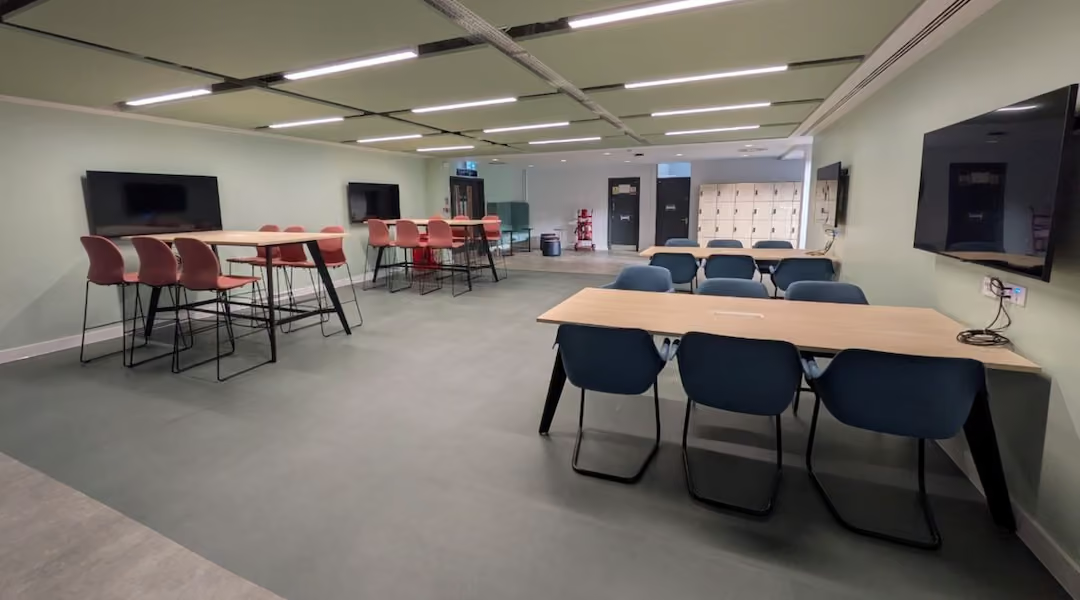

Adding Acoustics to Your Office Space
Offices can be loud places, with many different kinds of noises competing for attention. Improve your office environment by tackling noise with acoustic panels, soft materials, and strategic design. Discover practical solutions to reduce distractions, enhance privacy, and support employee well-being.
Post Summary
Good acoustics reduce distractions, improve productivity, and support employee well-being.
Conversations, phone calls, office equipment, and external street noise are common culprits.
Acoustic panels, ceiling tiles, upholstered furniture, carpets, and curtains all help absorb sound.
Zoning, strategic placement of noisy equipment, and using high-backed seating or pods can minimize noise.
Sound masking introduces low-level background noise to cover up distractions and improve speech privacy.
One way to do this is by installing acoustic panels—large fabric-wrapped boards that are designed to control echo and reverberation in a room. They are becoming increasingly popular and are a good investment for your workplace.
What exactly are acoustic panels, and what are the benefits of adding them to your office? Keep reading to learn more about these panels and why they are right for your workplace.
Acoustic Panels
These lightweight panels, usually made of polyester fiber or mineral wood, decrease noise and help improve speech intelligibility so that employees can hear each other better.
Acoustic panels come in a variety of shapes and sizes. When looking for acoustic panels, it’s important to choose ones that are designed to absorb sounds and vibrations. Simply adding rugs to a room may not give you the results you need.
Compared to other soundproofing solutions, acoustic panels are relatively inexpensive. They can be easily installed, making them a cost-effective way to improve the acoustics of your workplace.
Concentration + Productivity
Offices are filled with noise—phones ringing, people talking, keyboards clacking. Acoustic panels help absorb these sound waves, resulting in less distraction and improved concentration for employees. In turn, productivity increases because employees can focus on the task at hand and are not constantly interrupted by noise.
Acoustic panels can also reduce the amount of echo in a workspace, which makes it easier for employees to hear and understand each other. When employees can communicate effectively, this can lead to better decision making and problem solving.
Nice Aesthetic
In addition to reducing noise, acoustic panels can bring a nice aesthetic to the office. Panels are available in a variety of colors and patterns that can be used to create a stylish yet functional look. They can be custom made to fit your office space using office interior design services and can further improve the look and feel of your workplace. Not only does this improve employee morale, but it also leaves clients or customers with a good impression of your workplace.
Improved Privacy
Acoustic panels can provide increased privacy in shared office spaces by reducing excess noise levels caused by conversations and other distractions. They can also protect against audio leakage that can occur from monitors and microphones during video conferences.
With Office Gallery’s office interior design and space planning service, we can provide the assistance you need to add acoustic panels that are right for your workplace.
Contact us today for a consultation.
Key Points
What are the negative impacts of poor office acoustics?
- Reduced productivity due to constant distractions and interruptions
- Increased stress and fatigue among employees
- Lack of privacy for sensitive conversations or focused work
- Lower job satisfaction and potential for higher turnover
- Difficulty collaborating in noisy, echo-prone environments
Which acoustic solutions are most effective for modern offices?
- Acoustic wall and ceiling panels made from felt, foam, or fiberglass to absorb sound and reduce echoes
- Upholstered furniture such as sofas, chairs, and fabric-covered partitions to dampen noise
- Carpeting and area rugs to minimize impact noise and reverberation
- Curtains and drapes with heavy fabrics to block external noise and absorb sound
- Acoustic baffles and clouds suspended from ceilings for large, open spaces
How can office layout and design support better acoustics?
- Zoning: Create separate areas for collaboration, focused work, and quiet zones
- Strategic placement: Position noisy equipment away from workstations
- High-backed seating and pods: Offer privacy and sound absorption for individuals or small groups
- Movable acoustic walls: Provide flexible, temporary quiet spaces as needed
- Desk screens and dividers: Use fabric-covered panels between workstations for localized noise reduction
What role do soft materials and biophilic elements play in office acoustics?
- Soft furnishings like cushions, ottomans, and upholstered benches absorb sound waves
- Large plants and biophilic design elements help dampen noise and improve aesthetics
- Layering materials (e.g., combining rugs, curtains, and soft seating) maximizes sound absorption
- Acoustic lighting: Fixtures with sound-absorbing properties add function and style
How can sound masking and employee education further improve acoustics?
- Sound masking systems introduce low-level background noise to cover up distractions and enhance speech privacy
- Employee education: Encourage mindful communication and use of quiet zones
- Regular feedback: Gather input from staff to identify ongoing noise issues and adjust solutions as needed
- Phased implementation: Start with high-impact changes and expand as necessary
What is the best process for assessing and implementing acoustic improvements?
- Conduct a noise audit to identify loud areas and primary noise sources
- Gather employee feedback to understand how noise impacts different teams
- Consult with professionals for tailored recommendations and product selection
- Prioritize high-traffic and high-noise areas for initial improvements
- Monitor results and adjust strategies based on effectiveness and employee satisfaction