The Future of Workplace Design
Modern workplace design has shifted from company-centric to employee-focused, embracing hybrid work with adaptable spaces, wellness features, and technology integration that supports both remote and in-office collaboration for enhanced productivity and wellbeing.
Post Summary
The future of workplace design focuses on hybrid-ready, employee-centric spaces that prioritize flexibility, wellness, and technology integration to support both remote and in-office work.
Workplace design has shifted from company-focused to individual employee needs, emphasizing adaptable spaces, ergonomic furniture, and hybrid meeting capabilities.
Key trends include flexible hybrid workspaces, wellness-focused ergonomics, technology-integrated meeting rooms, and communal collaboration areas that foster innovation.
Adaptable office design allows spaces to be easily reconfigured for changing work patterns, supporting both collaborative teamwork and individual focus time as business needs evolve.
Technology integration includes hybrid meeting spaces, content creation studios, and digital tools that connect physical and virtual workspaces for seamless collaboration.
Throughout the pandemic, companies responded to a rapidly changing work landscape to safeguard employees from COVID-19. Almost half of employees in the US shifted to working from home, which gave way to the realization that people can be productive from anywhere with today’s technology, and the physical workspace must evolve to meet the safety and wellness needs of employees. Office space planning & redesigning services have shifted from company- centric to individual-centric that will allow for innovative solutions.
Designing Easily Adaptable Spaces
Employees are less siloed than in the past and interact with more departments than ever before. With hybrid work environments, workplaces extend beyond the four walls of the office building.
Workplaces should reflect this shift and evolve to meet the needs of today’s employees. Creating a space that supports neighborhoods and solo work encourages productivity. When employees work near those they collaborate with often, even if those people are on a different team, they develop a better professional relationship because adaptable spaces encourage organic contact and influence closeness. For solo work, quiet areas help employees focus away from the distractions of group activities.
Flexible office spaces are designed with an unknown future in mind so that they can be easily adapted to a changing work landscape. Providing comfortable and ergonomic workstation office furniture in all office areas shows employees that you prioritize their health and wellbeing.
Integrate Technology
Each advancement of technology blurs the lines between space and time. No longer do colleagues have to be physically present in the same office space to engage with each other. In the new post-pandemic landscape, companies require the strategic integration of digital and physical spaces to foster innovation.
Technology is changing so fast that it is hard to know what will be needed next—which is where an easily adaptable office space comes in. Hybrid meeting spaces and rooms for recording podcasts and filming content will entice more workers into the office while moving the company’s mission forward.
Communal Spaces
Shared workspaces bring employees together to encourage collaboration and innovation and are flexible enough to allow you to scale up or down depending on the needs of your company.
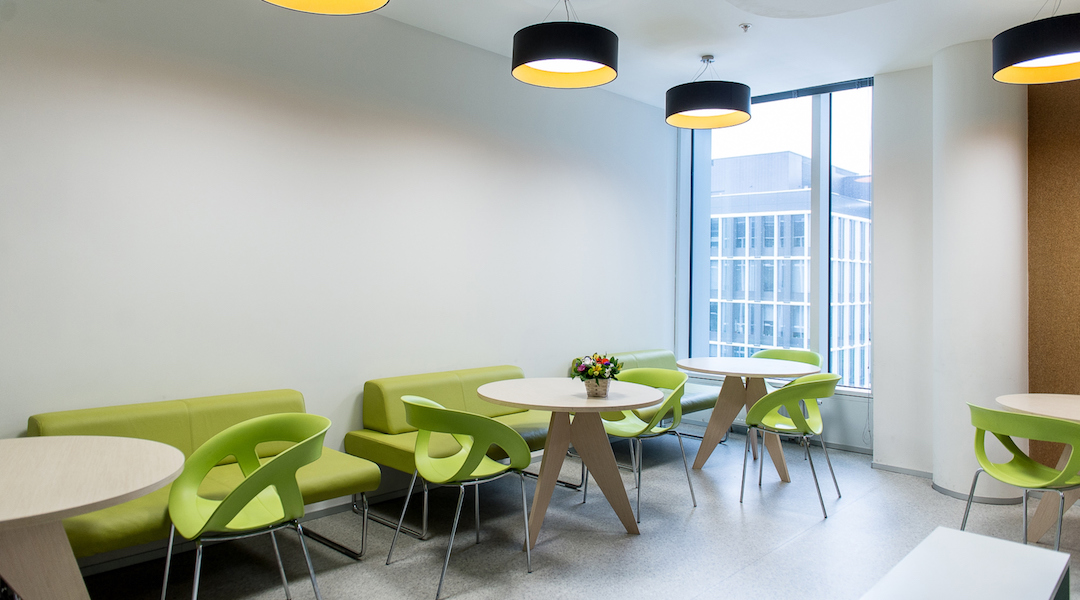
Break rooms allow employees to relax and engage with coworkers, which strengthens bonds. Break rooms also encourage organic interaction since employees might see coworkers they do not work with on a regular basis.
Conference rooms allow coworkers to come together in a professional setting to share ideas and collaborate. Remote team members can gather in person on occasion for briefings.
At Office Gallery, we offer office interior design services to take the guesswork out of creating a future-focused workplace design.
Contact us today for a consultation.
Key Points
What Are the Essential Elements of Future-Ready Workplace Design?
- Hybrid-Ready Infrastructure: Spaces that seamlessly support both in-person and remote collaboration.
- Adaptable Configurations: Furniture and layouts that can be easily reconfigured for changing needs.
- Technology Integration: Built-in digital tools, hybrid meeting rooms, and content creation studios.
- Wellness-Focused Features: Ergonomic workstations, natural lighting, and comfortable break areas.
- Collaborative Zones: Shared workspaces, conference rooms, and informal gathering areas.
- Individual Focus Areas: Quiet spaces designed for concentration and solo work.
How Do Employee-Centric Workspaces Improve Business Outcomes?
- Enhanced Productivity: Comfortable, ergonomic environments reduce fatigue and boost performance.
- Improved Employee Retention: Workers value companies that prioritize their health and wellbeing.
- Increased Innovation: Collaborative spaces foster creativity and cross-departmental interaction.
- Better Recruitment: Modern, flexible offices attract top talent seeking work-life balance.
- Reduced Absenteeism: Wellness-focused design promotes physical and mental health.
- Higher Engagement: Employees feel more valued when their individual needs are considered.
What Technologies Are Transforming Modern Office Design?
- Hybrid Meeting Systems: Advanced video conferencing with interactive displays and seamless connectivity.
- Smart Building Controls: Automated lighting, temperature, and space utilization monitoring.
- Digital Collaboration Tools: Cloud-based platforms that connect remote and in-office teams.
- Content Creation Studios: Professional podcast rooms and video production spaces.
- IoT Sensors: Real-time data on space usage, air quality, and occupancy patterns.
- Mobile Apps: Desk booking, room reservations, and facility management systems.
How Can Businesses Design Spaces That Support Both Collaboration and Focus?
- Zone-Based Layout: Separate areas for teamwork, individual tasks, and informal interactions.
- Acoustic Design: Sound-absorbing materials and white noise systems to minimize distractions.
- Flexible Furniture: Moveable desks, modular seating, and adjustable workstations.
- Visual Barriers: Plants, screens, and architectural elements that create privacy without isolation.
- Booking Systems: Technology that allows employees to reserve focus rooms or collaborative spaces.
- Activity-Based Working: Different environments optimized for specific types of work.
What Are the Key Considerations for Implementing Flexible Office Spaces?
- Change Management: Training employees on new systems and workspace etiquette.
- Technology Infrastructure: Robust Wi-Fi, power outlets, and equipment accessibility throughout.
- Storage Solutions: Lockers, mobile pedestals, and shared filing systems for paperless transitions.
- Space Allocation: Balancing individual workstations with collaborative and communal areas.
- Future-Proofing: Designing for easy reconfiguration as business needs evolve.
- Employee Feedback: Regular surveys and adjustments based on actual usage patterns.
How Do Wellness-Focused Design Elements Impact Employee Performance?
- Ergonomic Furniture: Reduces physical strain, prevents injuries, and maintains energy levels.
- Natural Elements: Plants, natural lighting, and outdoor views improve mood and cognitive function.
- Air Quality Management: Proper ventilation and air filtration enhance focus and reduce sick days.
- Movement Encouragement: Standing desks, walking paths, and fitness areas promote physical activity.
- Stress Reduction: Quiet zones, meditation rooms, and calming color schemes support mental health.
- Social Connection: Break rooms and informal gathering spaces build team relationships and morale.