
Setting Up Your Break Room for Optimal Use
The employee break room is a place where people can go to relax, recharge and connect during the workday. Setting up your office break room so that employees can de-stress through nonwork interactions will help them feel more engaged and ready to go back to work when their break is over. Discover practical strategies to create a functional, inviting space that supports your team's well-being.
Post Summary
It helps employees de-stress, recharge, and return to work more engaged and productive.
Gather employee input to ensure the space meets their needs and preferences.
Offer a variety—benches, couches, bean bags, hammocks, and stools—to accommodate different activities and comfort levels.
A fully equipped kitchen encourages social interaction and prevents workplace silos.
Include games like board games, puzzles, foosball, or pool to foster teamwork and relaxation.
An inviting break room encourages employees to spend time there developing friendships with coworkers, which leads to more engagement over all. Before you begin designing your office break room, ask your employees what they want. Do they want a place to relax? To connect with coworkers through shared activities? Or some combination of the two?
That leads to the question, what should be in an employee break room? Keep reading for four important things to consider when designing the optimal break room for your workplace.
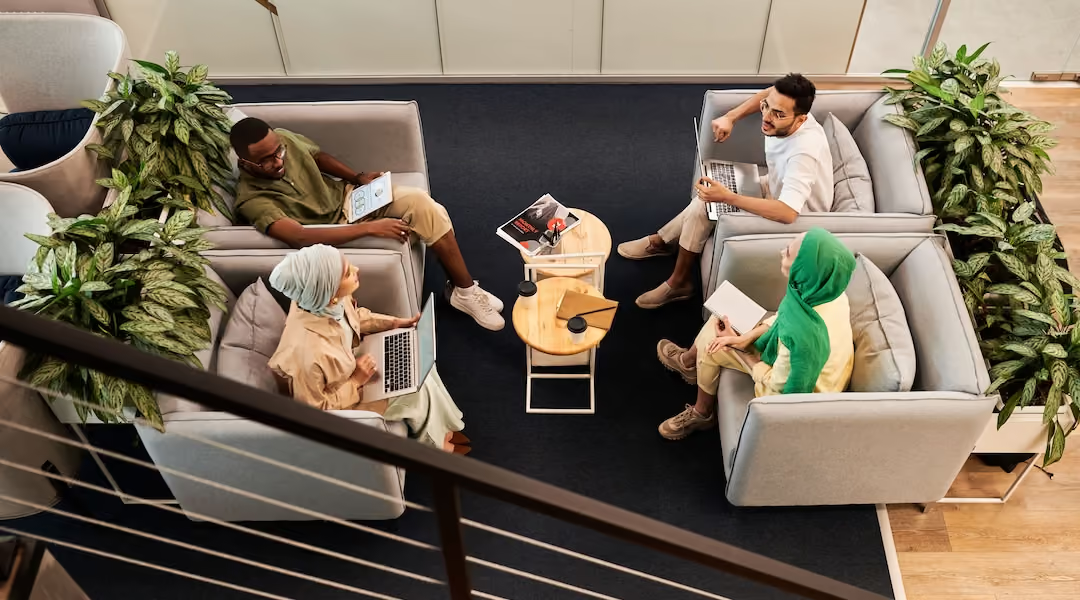
Comfortable Seating
Providing comfortable office room chairs will make the break room more appealing. You’ll want to make sure you have plenty of seating for everyone. Consider a variety of options from an office chair supplier like Office Gallery:
- Benches
- Reading chairs
- Couches
- Bean bags
- Hammocks
- Swing chairs
- Ottomans
- Stools
Kitchen Area
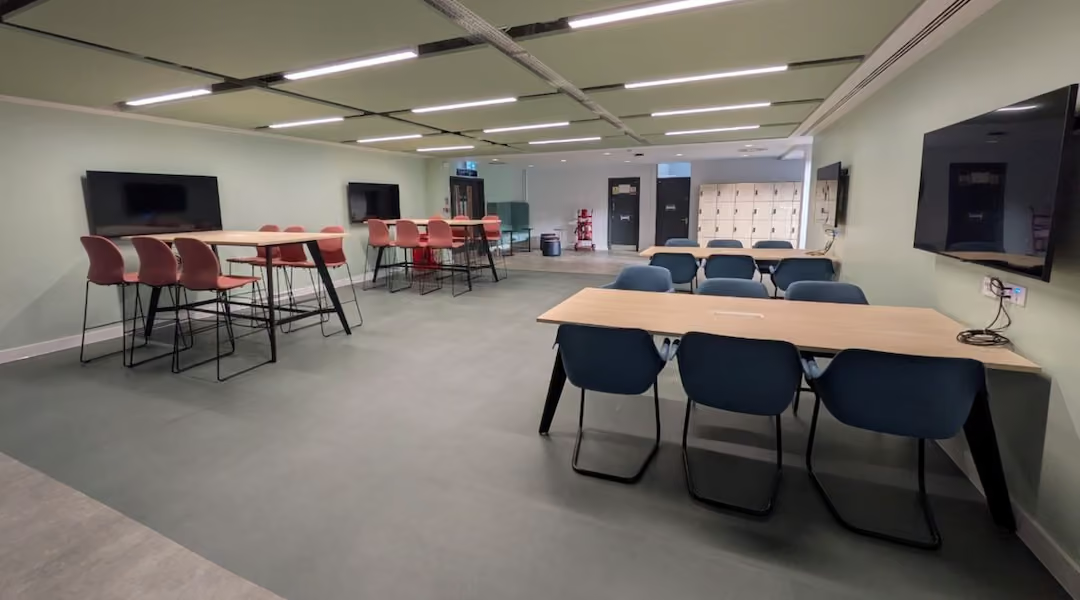
A fully equipped on-site kitchen area will give employees a way to cross paths on their way to lunch or to grab a cup of coffee. Providing a place for employees to gather and eat will help provide much-needed organic connections that will prevent employees from developing a silo mentality.
Games and Activities
Fun games and activities, like board games, card games and puzzles, make excellent bonding activities. Other games and activities for employees include pool tables, foosball, air hockey or mini basketball hoops. These activities can serve as ice breakers for employees who do not know each other well. Make sure to provide games that can be played with as few as two people so that it’s not necessary to gather a large group.
A community puzzle offers a chance for teamwork. Set up a jigsaw puzzle or hang a crossword puzzle on a bulletin board and let employees fill in the answers one clue at a time. Including a rule that each employee can answer only up to three questions will encourage more participation.
Quiet Zone
Some employees need a quiet place to unwind during their break. Give them a comfortable place to relax in a modern office desk chair and listen to their favorite podcast or read a few pages in a book. This will help them return to work with a newfound sense of engagement. Some things to include in a quiet zone are as follows:
- Comfortable seating
- Low-level mood lighting
- Noise-cancelling headphones
If setting up a quiet zone isn’t feasible, consider implementing quiet hours in the break room one or two days a week
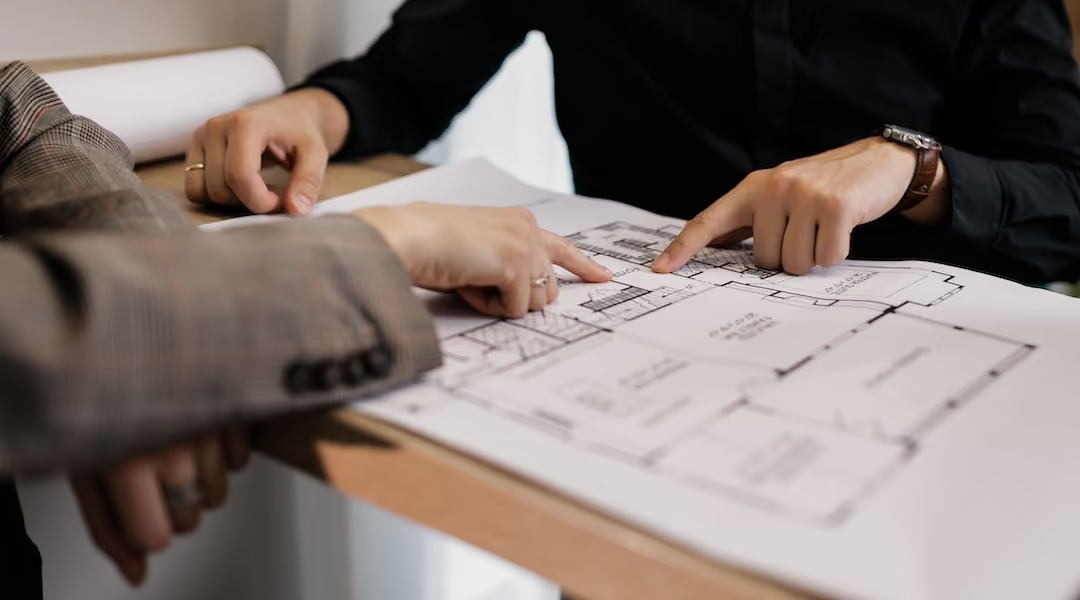
At Office Gallery, our office space planning and redesigning service can provide what you need to create the perfect break room environment for your employees.
For a consultation, contact us today.
Key Points
What are the core benefits of an optimal office break room?
- Boosts employee morale by providing a space to relax and recharge
- Encourages social interaction and team bonding, leading to higher engagement
- Supports mental well-being by offering a retreat from work-related stress
- Enhances productivity as refreshed employees return to tasks with renewed focus
- Demonstrates company care for staff, improving retention and satisfaction
How should you approach the layout and design of a break room?
- Solicit employee feedback to tailor the space to actual needs and preferences
- Create distinct zones for eating, socializing, and quiet relaxation
- Maximize natural light and use calming colors to create an inviting atmosphere
- Ensure accessibility for all employees, including those with mobility needs
- Plan for easy traffic flow to prevent crowding and bottlenecks
Which amenities should be prioritized for maximum impact?
- Fully equipped kitchen with fridge, microwave, coffee maker, and ample counter space
- Games and activities such as board games, puzzles, foosball, or pool tables
- Healthy snack options and hydration stations to support wellness
- Charging stations for personal devices
- Storage solutions for personal items and supplies
What furniture and seating options create a versatile break room?
- Mix of seating types: benches, couches, bean bags, hammocks, swing chairs, ottomans, and stools
- Flexible tables for group meals or meetings
- Ergonomic chairs to support comfort during longer breaks
- Movable furniture to easily reconfigure the space for different uses
- Durable, easy-to-clean materials for hygiene and longevity
How can you ensure hygiene and inclusivity in your break room?
- Regular cleaning protocols' for all surfaces and appliances
- Non-porous, easy-to-sanitize materials for furniture and counters
- Clear labeling for food storage and shared items
- Inclusive design with accessible seating and amenities for all employees
- Allergy-friendly options in snacks and kitchen supplies
What strategies foster a positive break room culture?
- Encourage respectful use and shared responsibility for cleanliness
- Rotate games and activities to keep the space engaging
- Display company values or artwork to reinforce culture
- Host occasional events or team lunches in the break room
- Solicit ongoing feedback to continuously improve the space